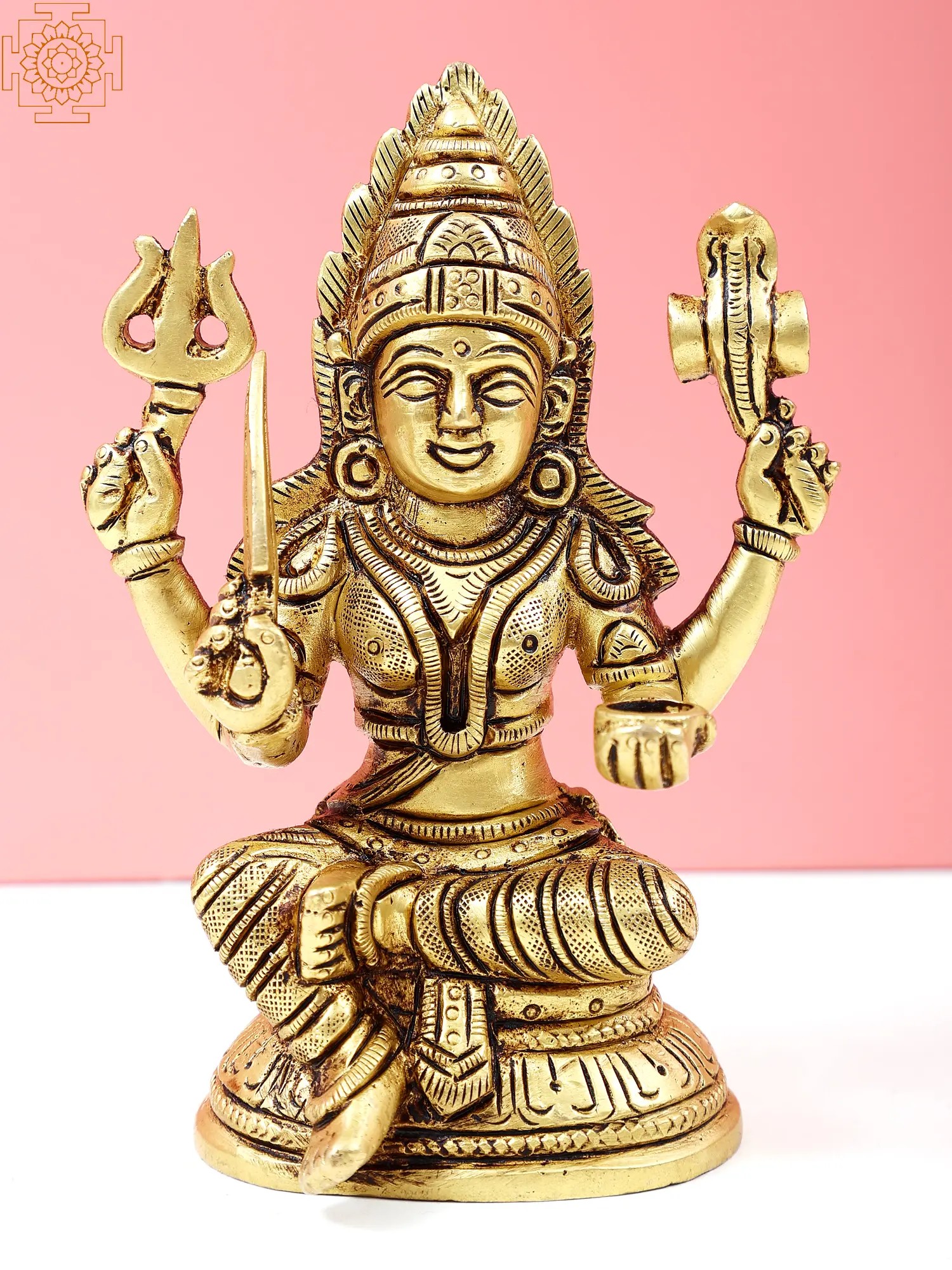
Mariamman-
goddess of rain (Mari), is a form of Shakti revered in regions of South India,
essentially as an auspicious, protecting deity, but encompasses the powers of
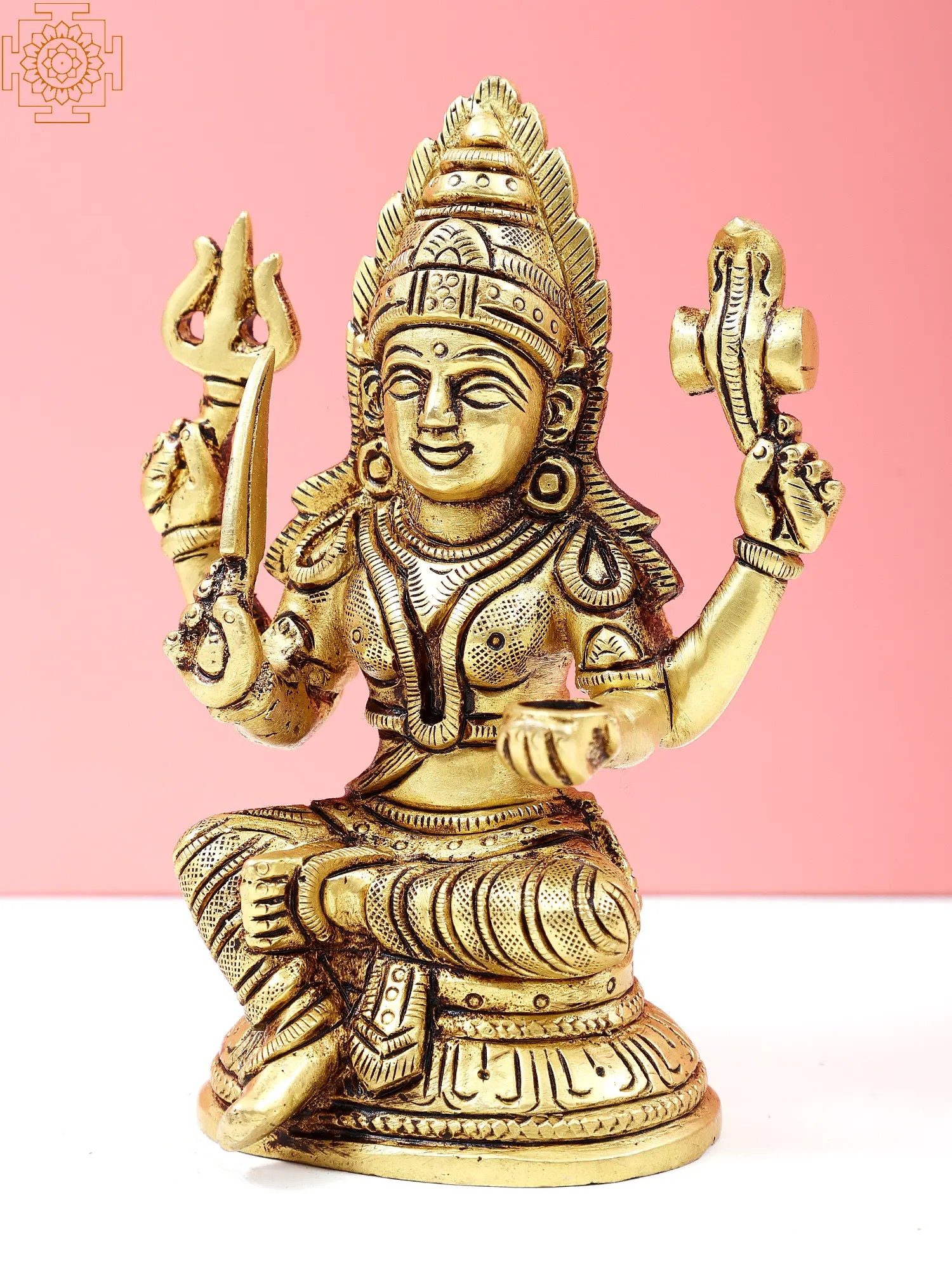
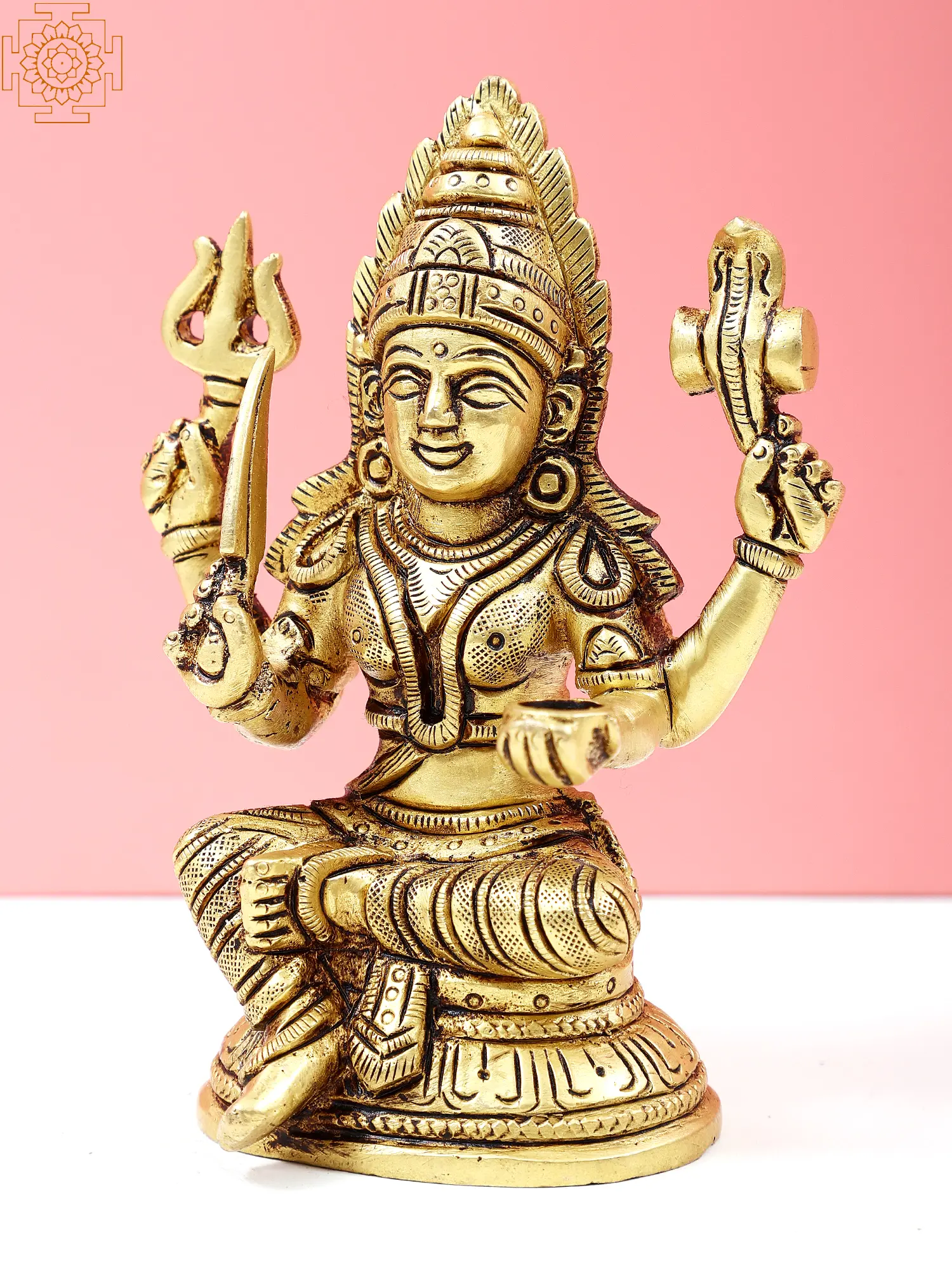
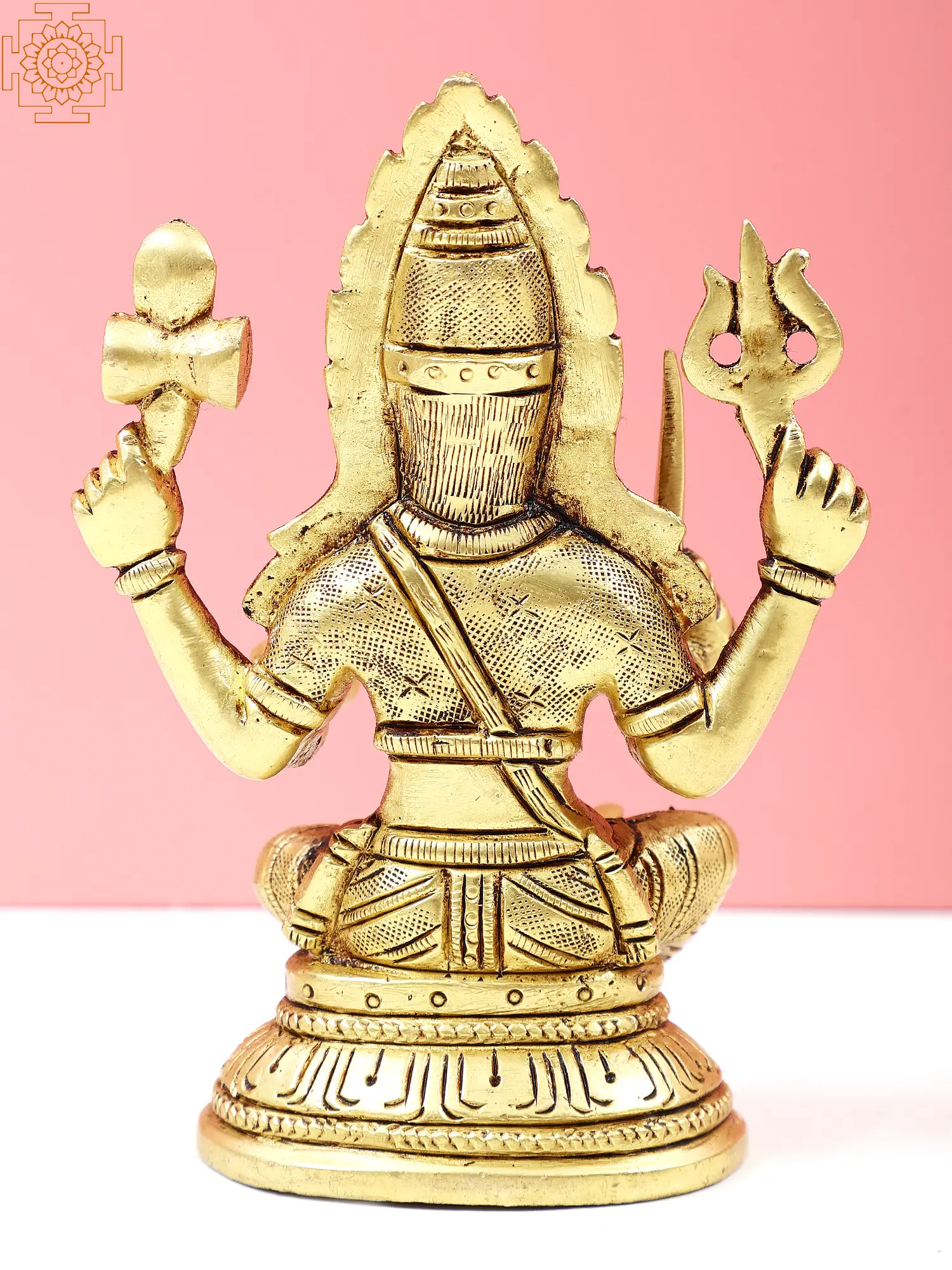
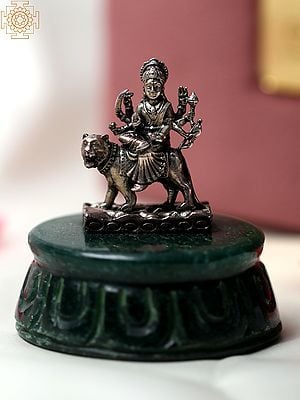
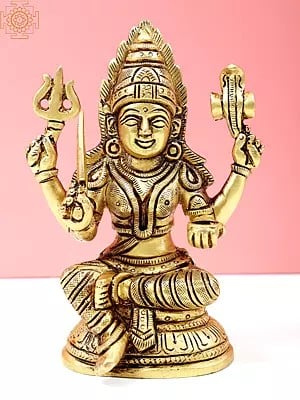
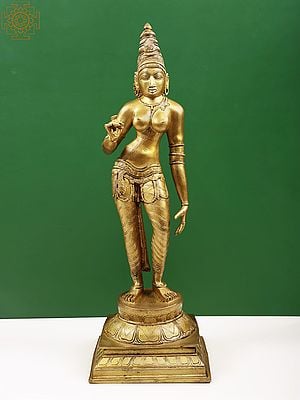
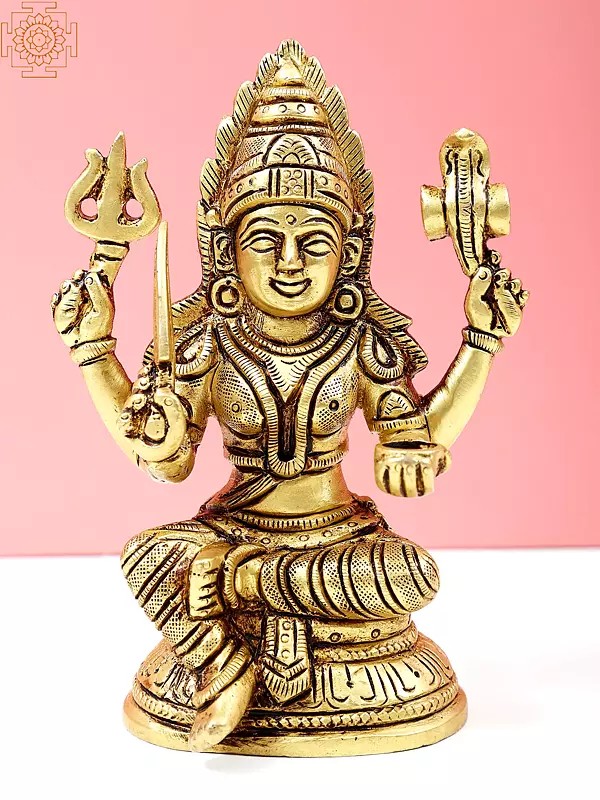
Durga, Kali, Chandi, and Renuka. In this small brass statue, goddess Mariamman
sits on an inverted lotus throne, dressed regally, in her four-armed roopa. A
Kiritamukuta sits on her head, framing her divine visage which radiates bliss
as Devi gently smiles.
The Divine Protector in Brass
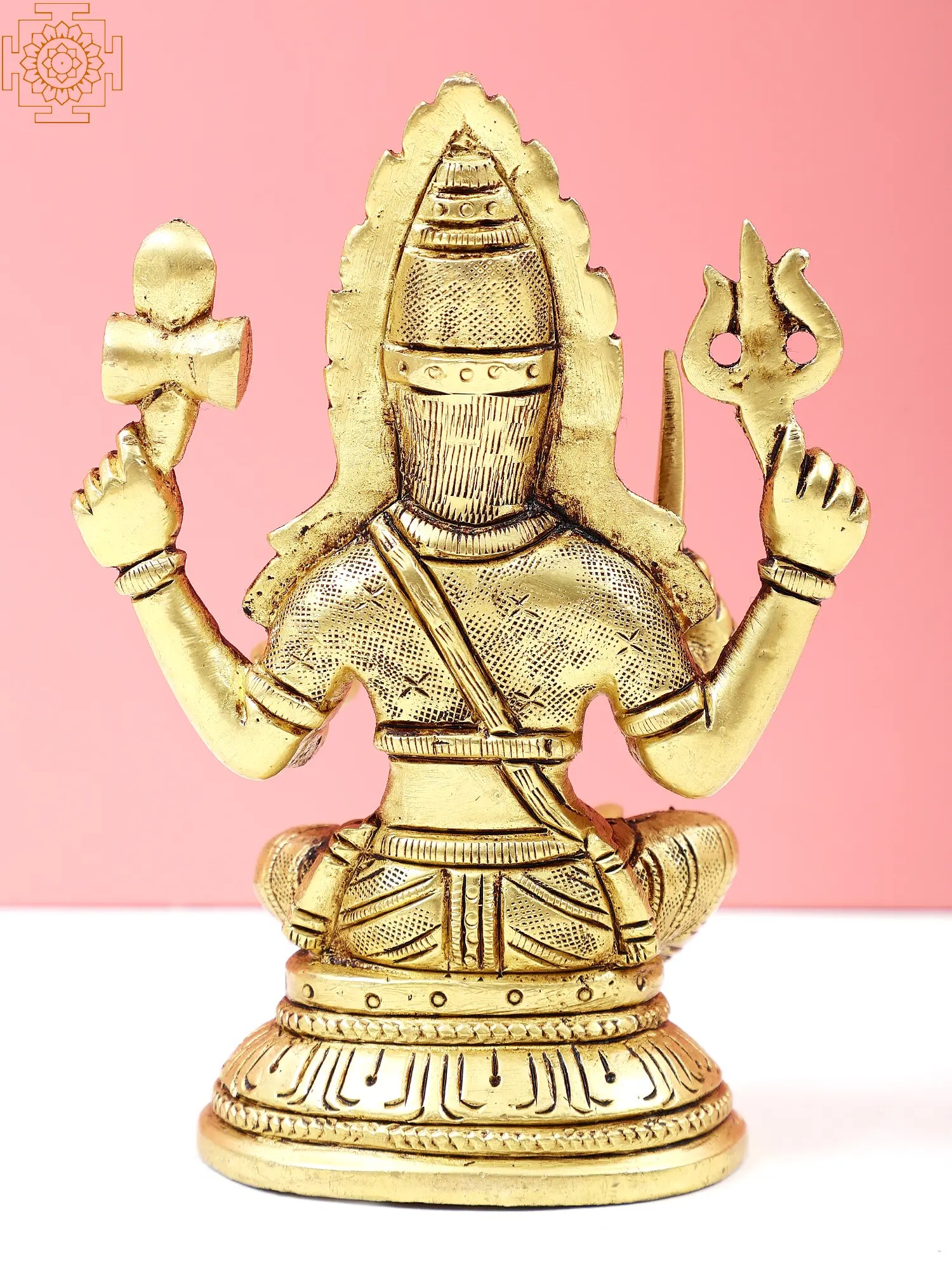
This exquisite brass statue embodies the potent and benevolent presence of Mariamman, a revered South Indian goddess, often seen as a manifestation of the fierce yet protective Durga. Crafted with meticulous detail by skilled artisans, this small-sized statue brings a touch of the divine into your home or sacred space. The warm, golden hue of the brass is a testament to its quality and enduring beauty, making it a piece that will be treasured for generations.
The goddess is depicted in a serene seated posture, her form radiating an aura of strength and grace. Her divine attributes, the trident (Trishul) and the drum (Damaru), are held aloft, symbolizing her power to destroy evil and create cosmic order. The Trishul represents the three gunas— Sattva, Rajas, and Tamas—as well as her dominion over past, present, and future. The Damaru, an ancient Indian percussion instrument, signifies the sound of creation and the rhythmic pulse of the universe. Her benevolent smile and tranquil gaze speak of her compassionate nature, ever ready to offer solace and protection to her devotees.A Symbol of Strength and Resilience
Mariamman is particularly venerated in Tamil Nadu and other parts of South India, where she is invoked for protection against diseases, misfortunes, and malevolent forces. Legends abound of her miraculous interventions, from curing epidemics to shielding villages from natural calamities. She is often associated with rain and fertility, bringing prosperity and well-being to the land and its people. During festivals dedicated to her, devotees offer prayers, perform rituals, and walk on hot coals as a testament to their unwavering faith and devotion, seeking her blessings for health, wealth, and happiness. This statue serves as a constant reminder of her divine strength and her enduring commitment to safeguarding humanity.Artistic Craftsmanship and Spiritual Significance
The intricate detailing on this brass idol is a hallmark of traditional South Indian craftsmanship. The elaborate headdress, the finely sculpted ornaments adorning her body, and the textured garments all contribute to the statue's lifelike appearance and artistic merit. The lustrous brass material not only enhances the visual appeal but also holds spiritual significance, representing purity and auspiciousness in Hindu traditions. Whether placed on an altar, a meditation space, or a decorative shelf, this statue of Mariamman is more than just an object of art; it is a conduit for divine energy, a symbol of protection, and a source of spiritual inspiration, bringing peace and positive vibrations to its surroundings.
The Fierce and Powerful Goddess Durga: Discovering the Symbolism
and Significance
Goddess Durga is a revered deity in Hinduism and she is
worshiped by many people in the eastern part of India and also
in other countries such as Nepal and Bangladesh. She is
considered the mother of this material world who takes care of
the conditioned souls trapped in the material existence. She
protects them from the demons who threaten peace and establishes
Dharma. In the Shakta tradition or Shaktism (those who believe
that feminine energy is supreme), Mother Durga has been given
the highest position. She is often considered the expansion of
Mother Parvati, the consort of Lord Shiva who is the destroyer
of the material world. The Vaishnavas consider Mother Durga as
the external energy of the Supreme Lord Krishna or Vishnu. She
takes charge of the material world and reforms those souls who
do not abide by the rules of the Supreme Lord.
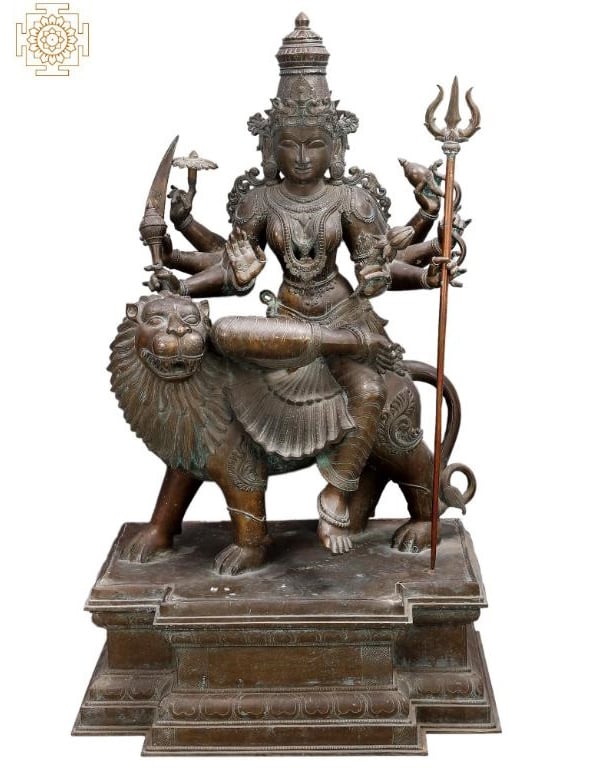
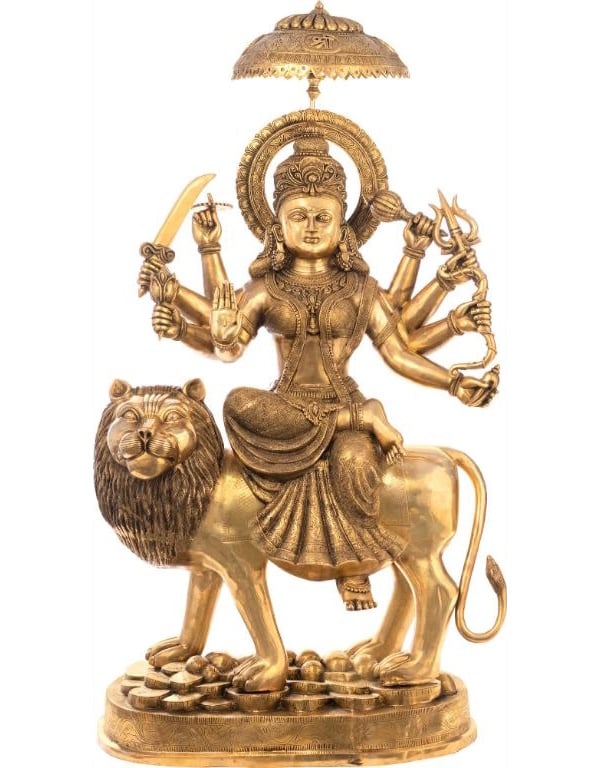
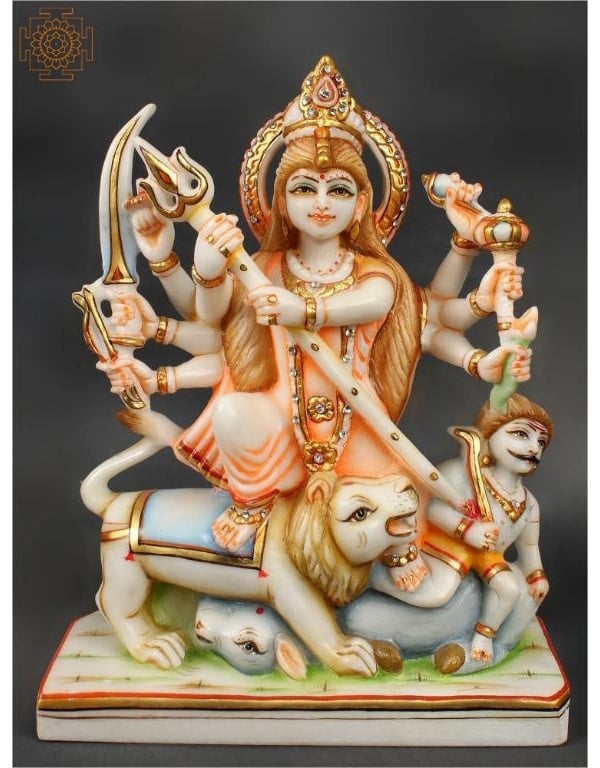
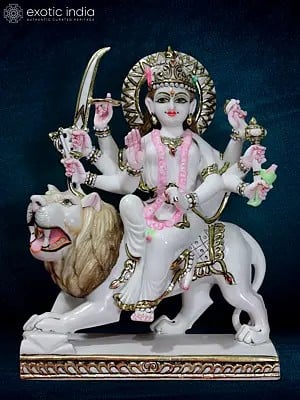
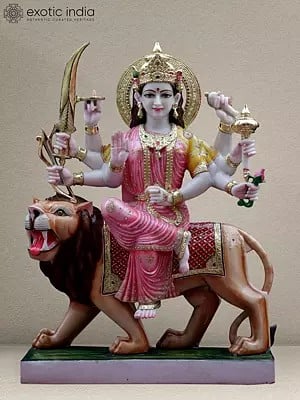
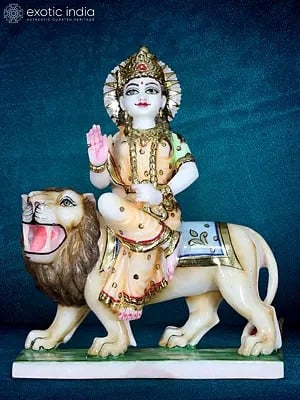
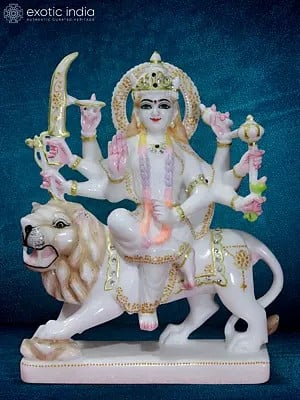
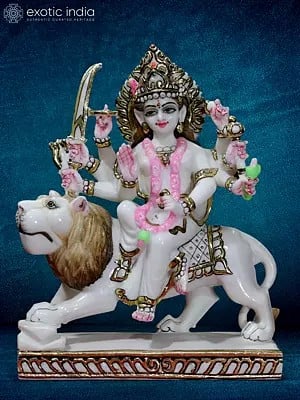
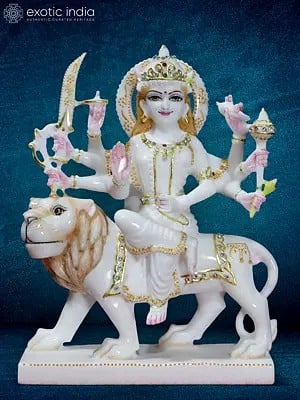
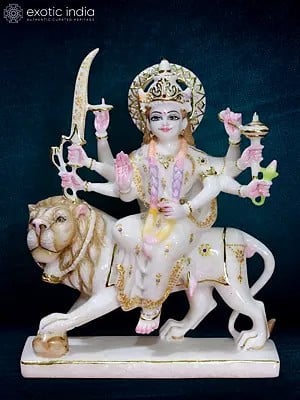
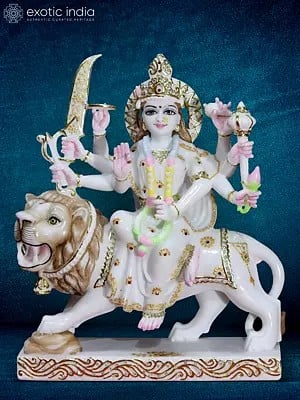
Mother Durga is often depicted as a young and beautiful woman,
wearing a saree, and sitting on a tiger or lion. She has
multiple arms (usually ten arms) that hold different items and
weapons that express her martial skills. She tramples down the
demon Mahishasura, with her trident, representing the subduer of
vices.
What does Durga symbolize?
Being the powerful assistant of the Supreme Lord, Mother Durga
tests our dedication to the Lord. She represents the material
nature and like a loving mother, she gives a clarion call to all
forgetful souls to turn their faces towards Lord Krishna, who is
the only well-wisher of all living entities. The depiction of
her violently killing the demon Mahishasura with her trident
shows her extraordinary prowess. Mahishasura represents our
demoniac mentality that wants to enjoy separately from the
Supreme Lord, forgetting our eternal relationship with Him.
Goddess Durga killing the demon symbolizes the victory of good
over evil or wisdom over ignorance.
Where are Durga statues made in Kolkata?
The worship of Goddess Durga is prominent in festivals such as
Durga Puja, Durga Ashtami, Navaratri, etc. On those days, people
gather at a place and a big idol or deity of Goddess Durga is
worshiped with faith and devotion. These idols of the Goddess
are made in a place called Kumortuli, located near Kolkata, West
Bengal. This city is renowned for its beautiful clay sculptures
made by local manufacturers.
Can we keep Durga idol at home?
You can keep a Durga deity at your home if you want to attract
her mercy into your life. Goddess Durga is very merciful toward
her devotees and when pleased, she bestows them with both
material and spiritual benefits. Those who approach and worship
Goddess Durga with material desires in their hearts, she
fulfills them. But if a person genuinely approaches her and
prays to her to reveal about the Absolute Truth and the real
goal of human life to them, being the superintendent of the
Supreme Lord Vishnu, she blesses them with the light of
knowledge about the Lord and inspires them to walk the path of
devotion to Lord Vishnu.












 Upload an Image