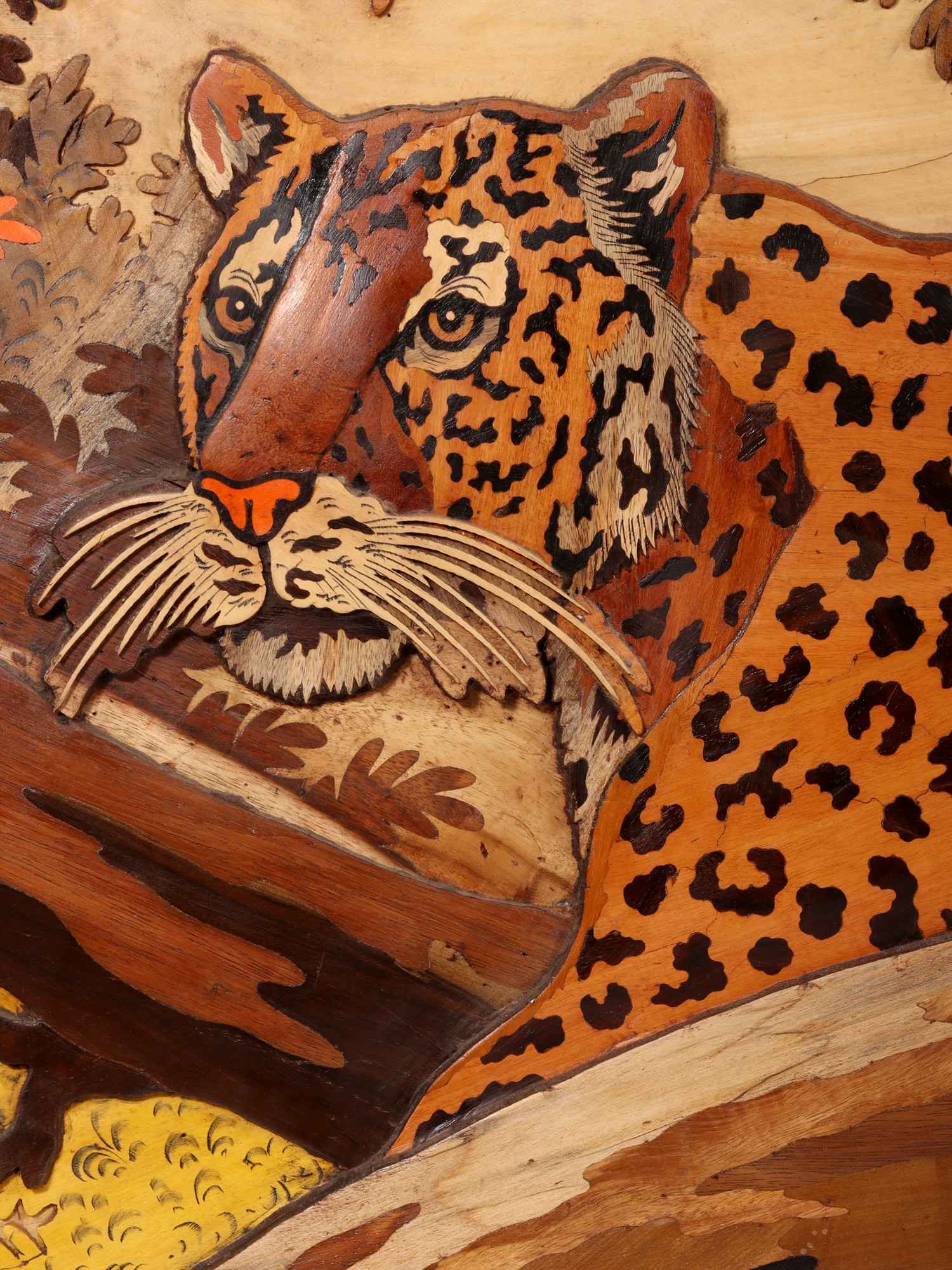
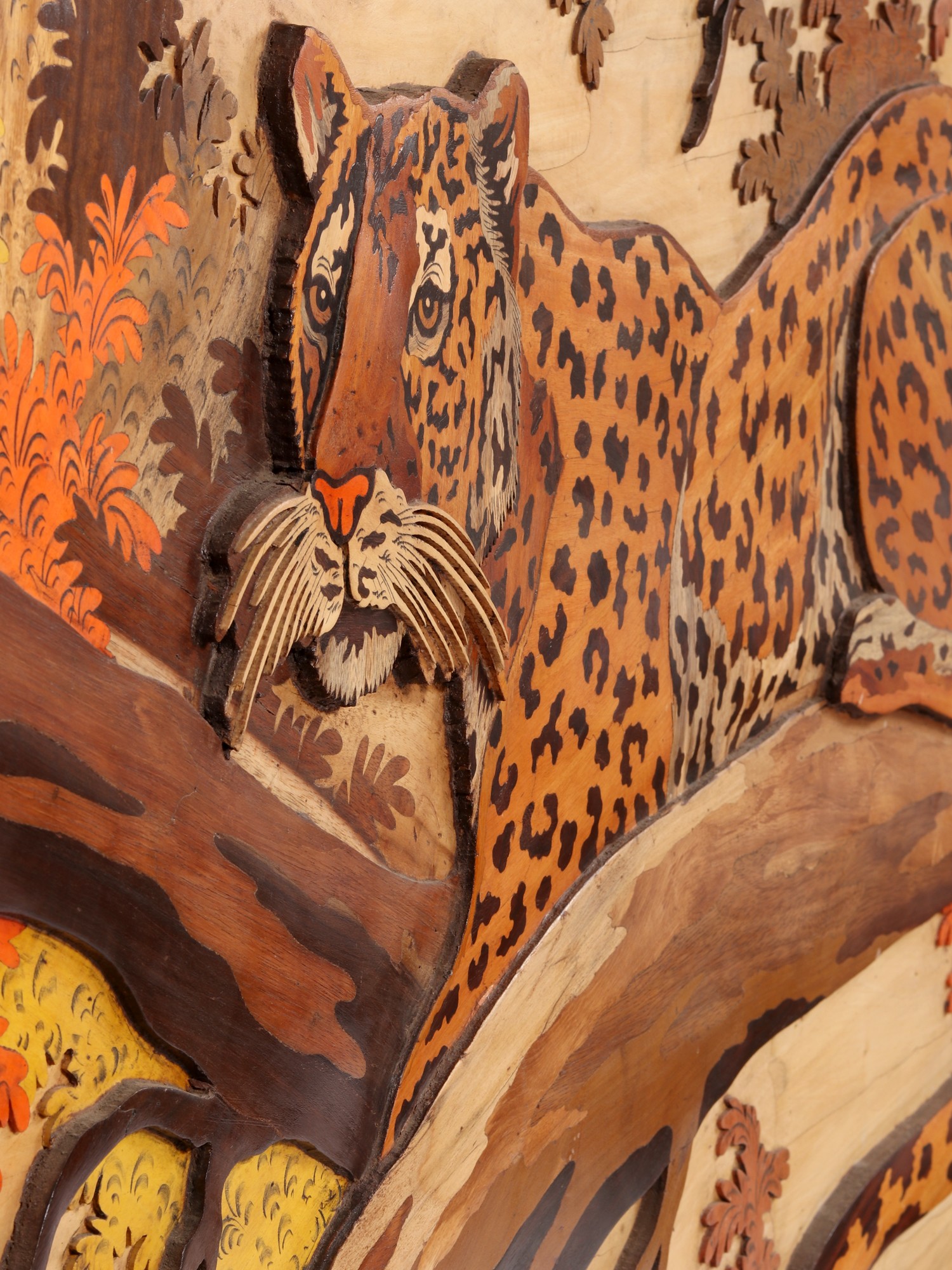
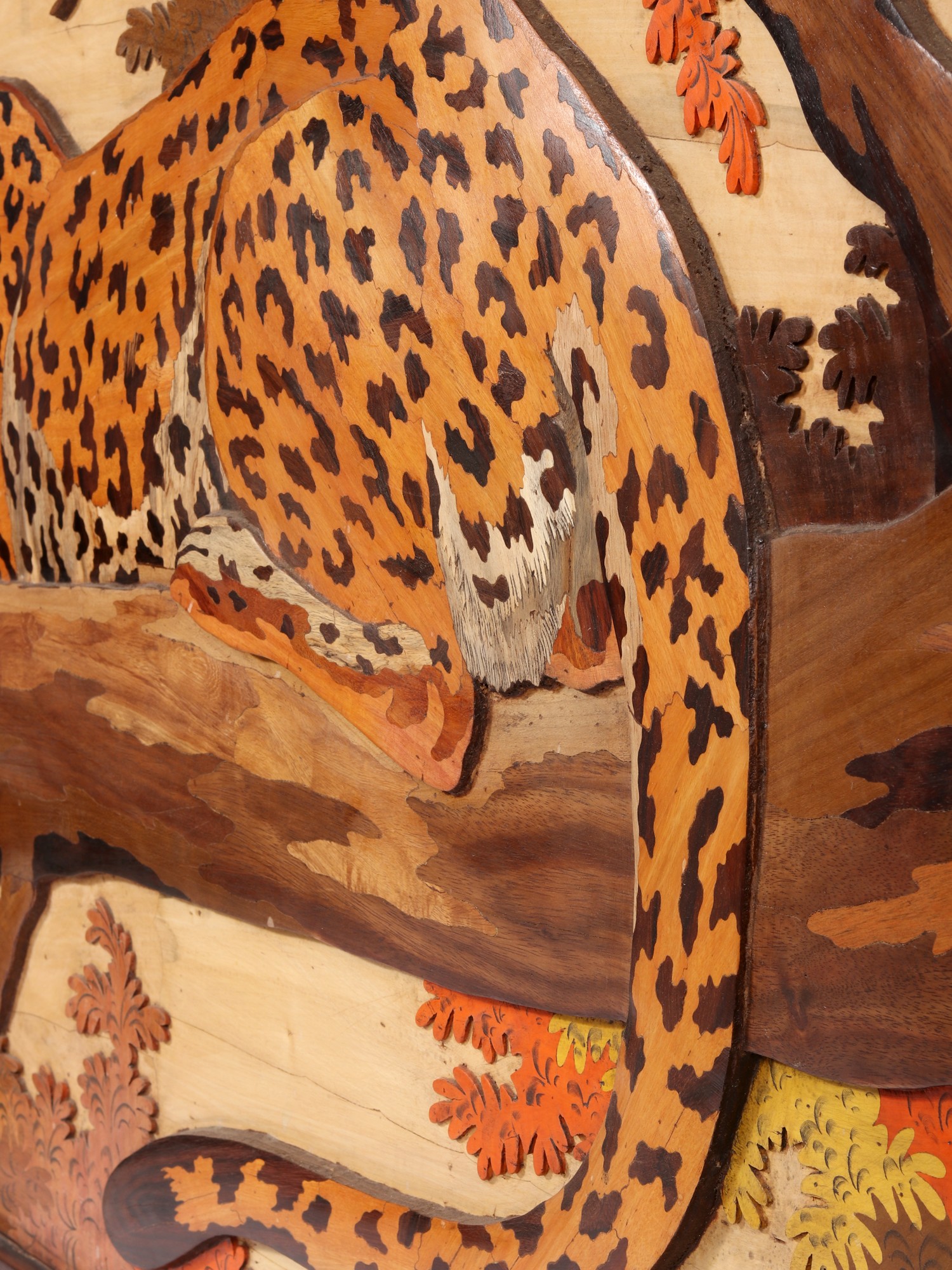
A Masterpiece of Mysore Craftsmanship
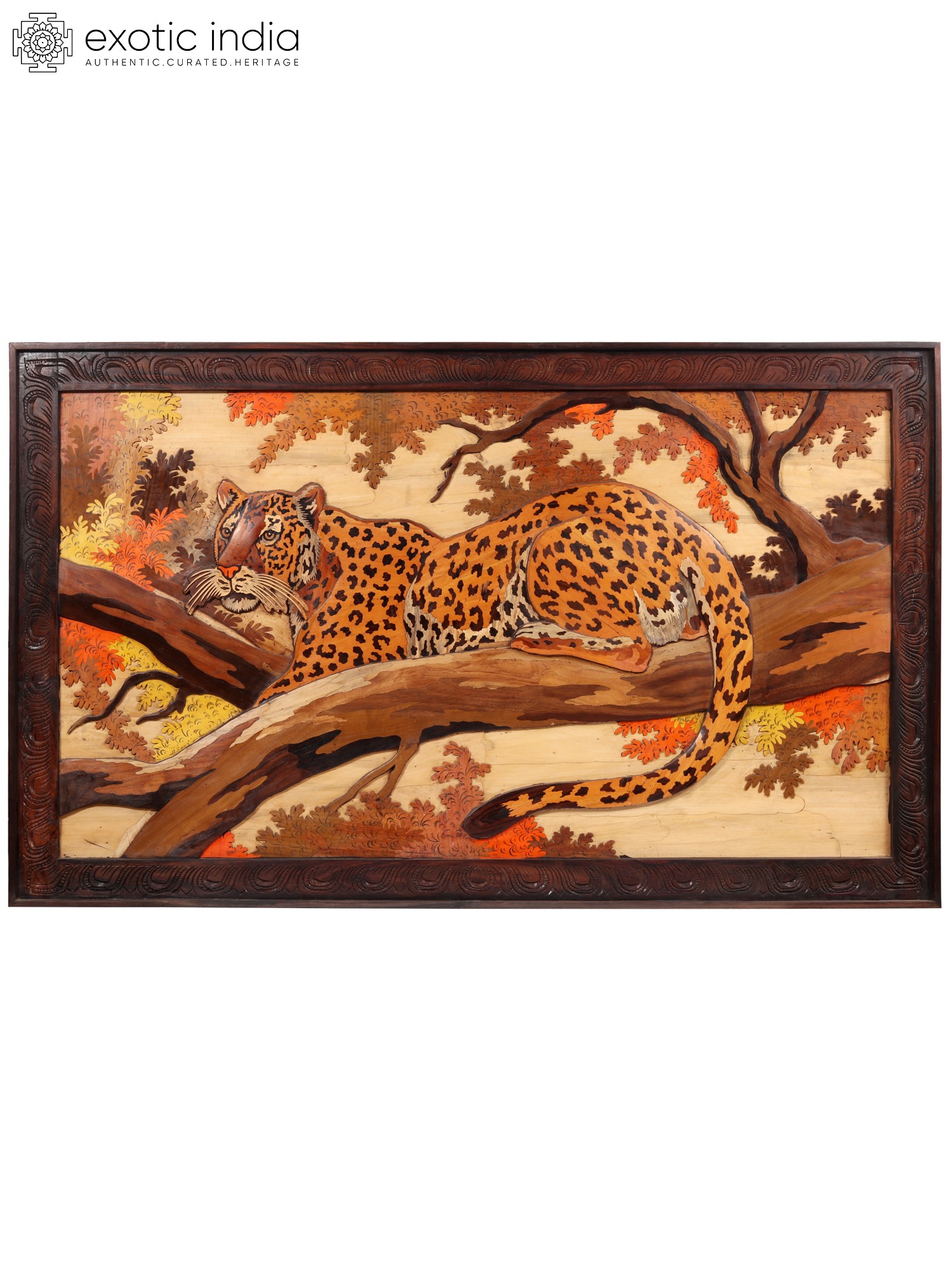
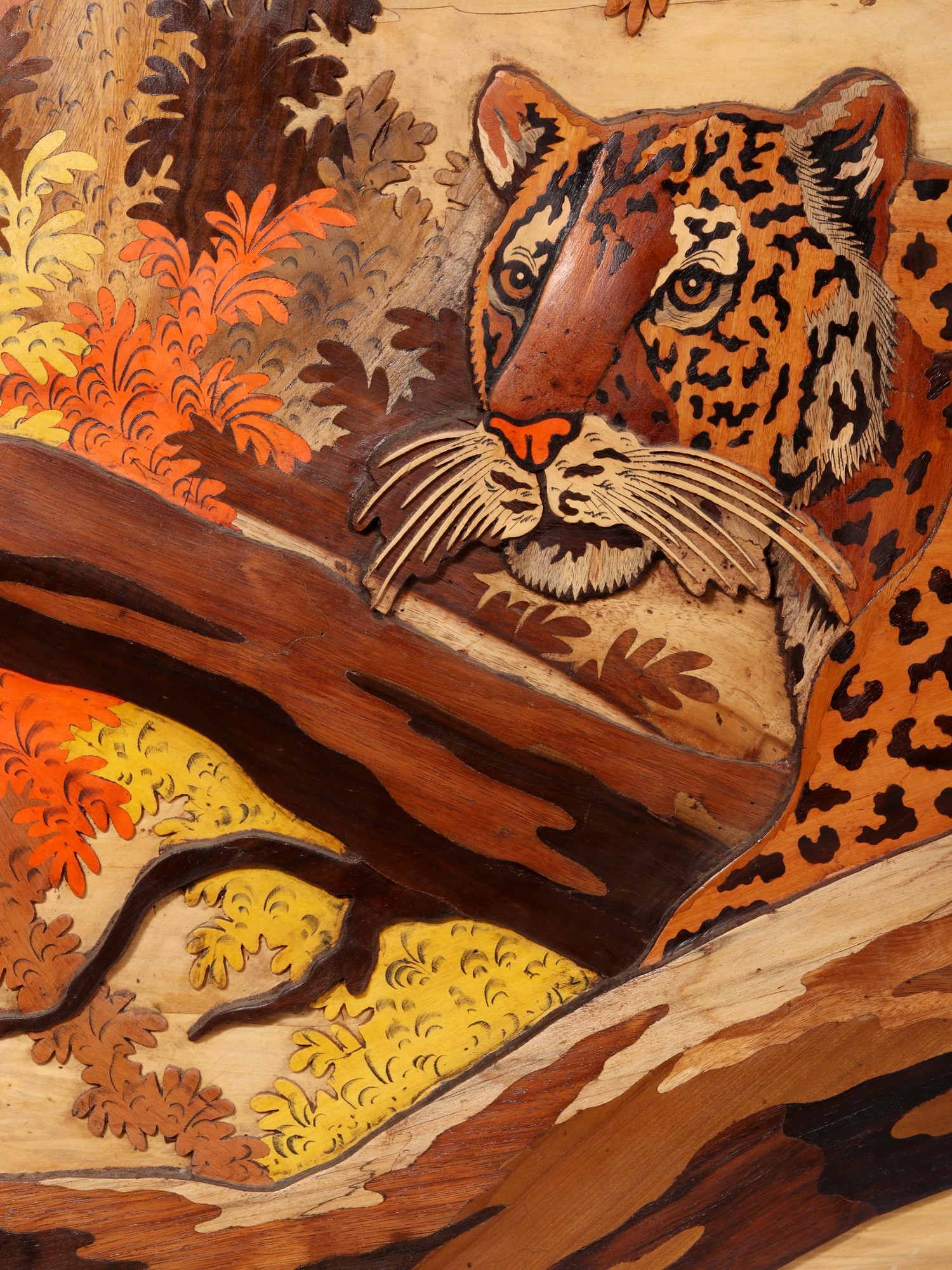
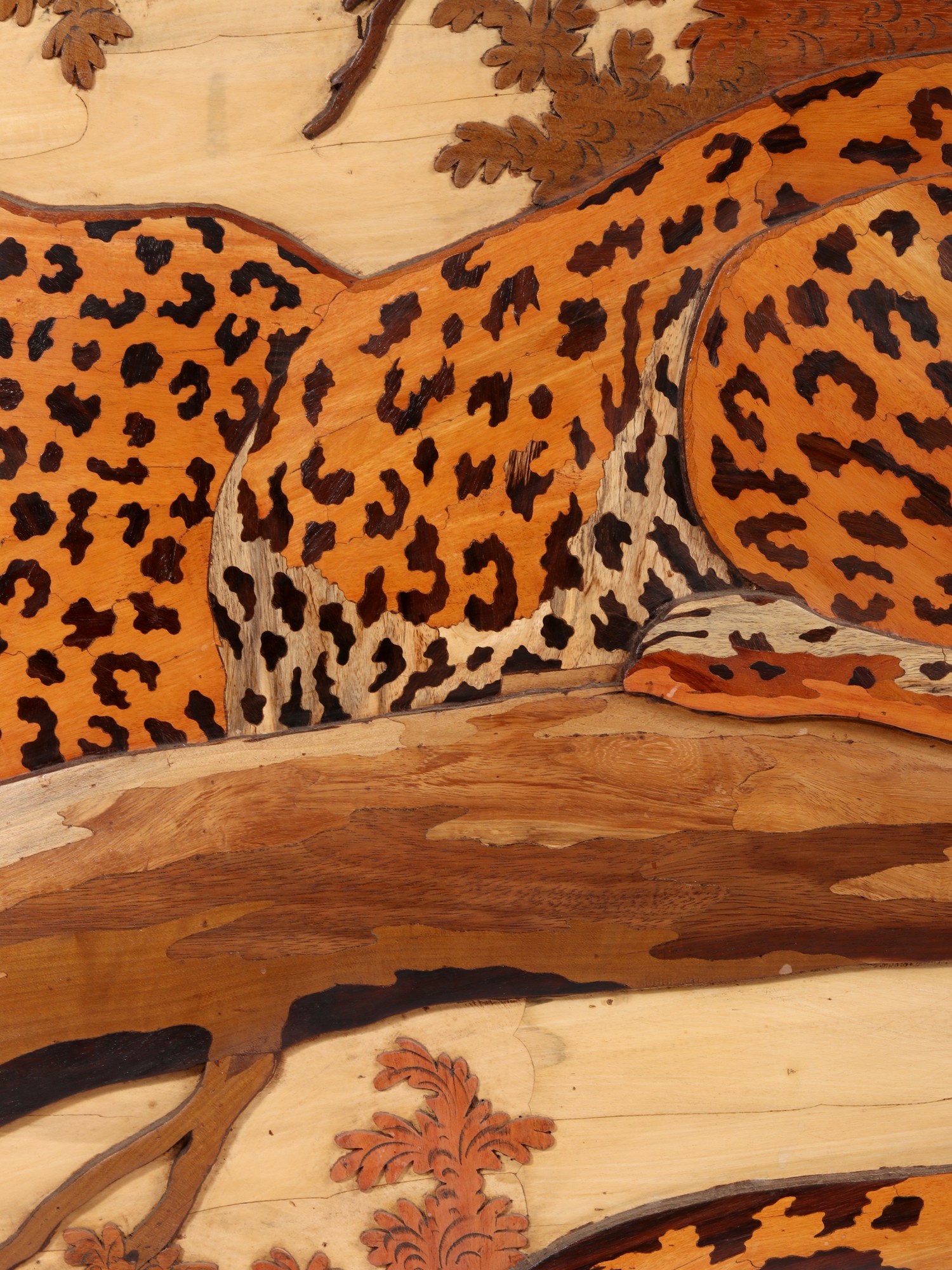
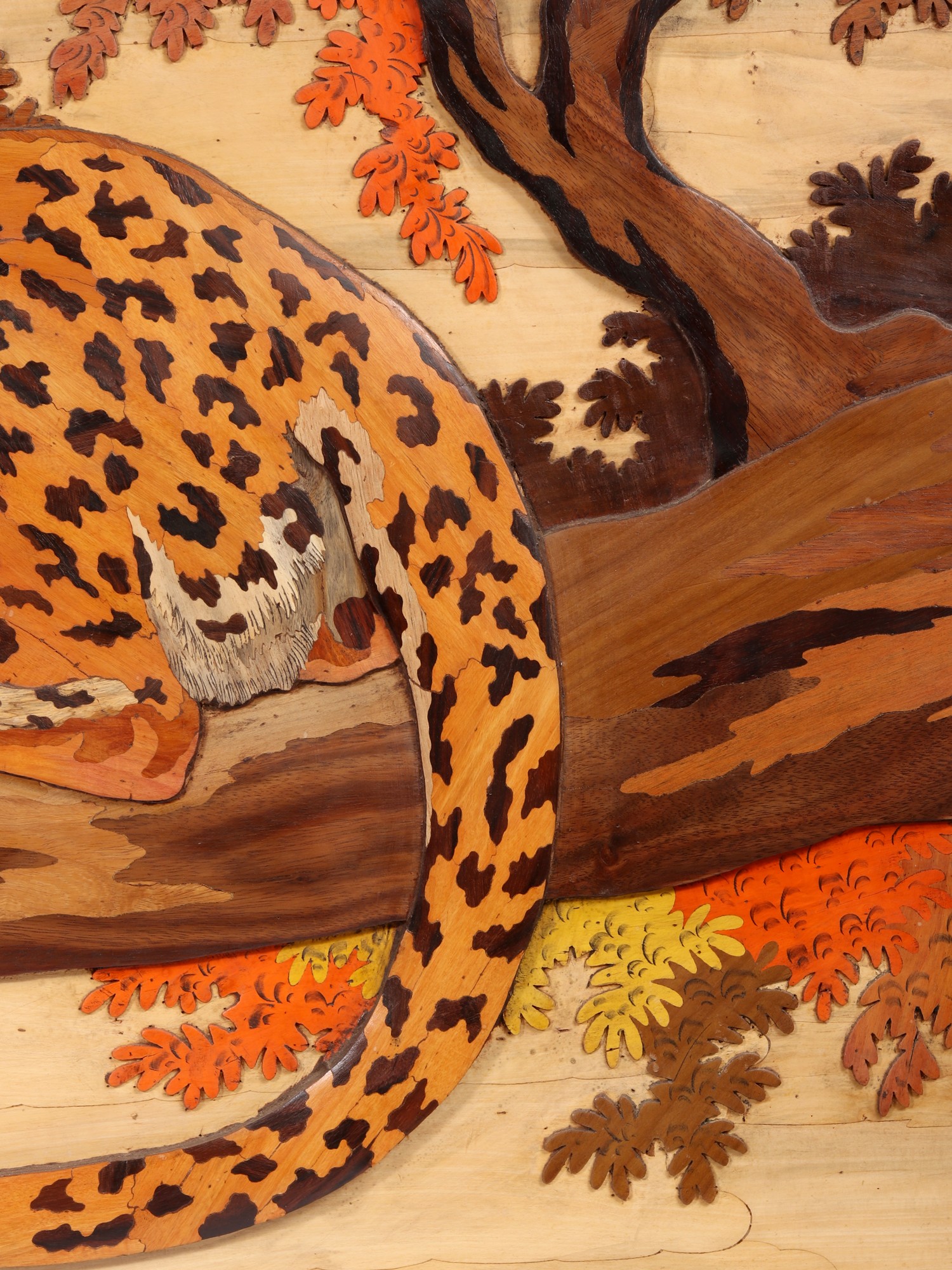
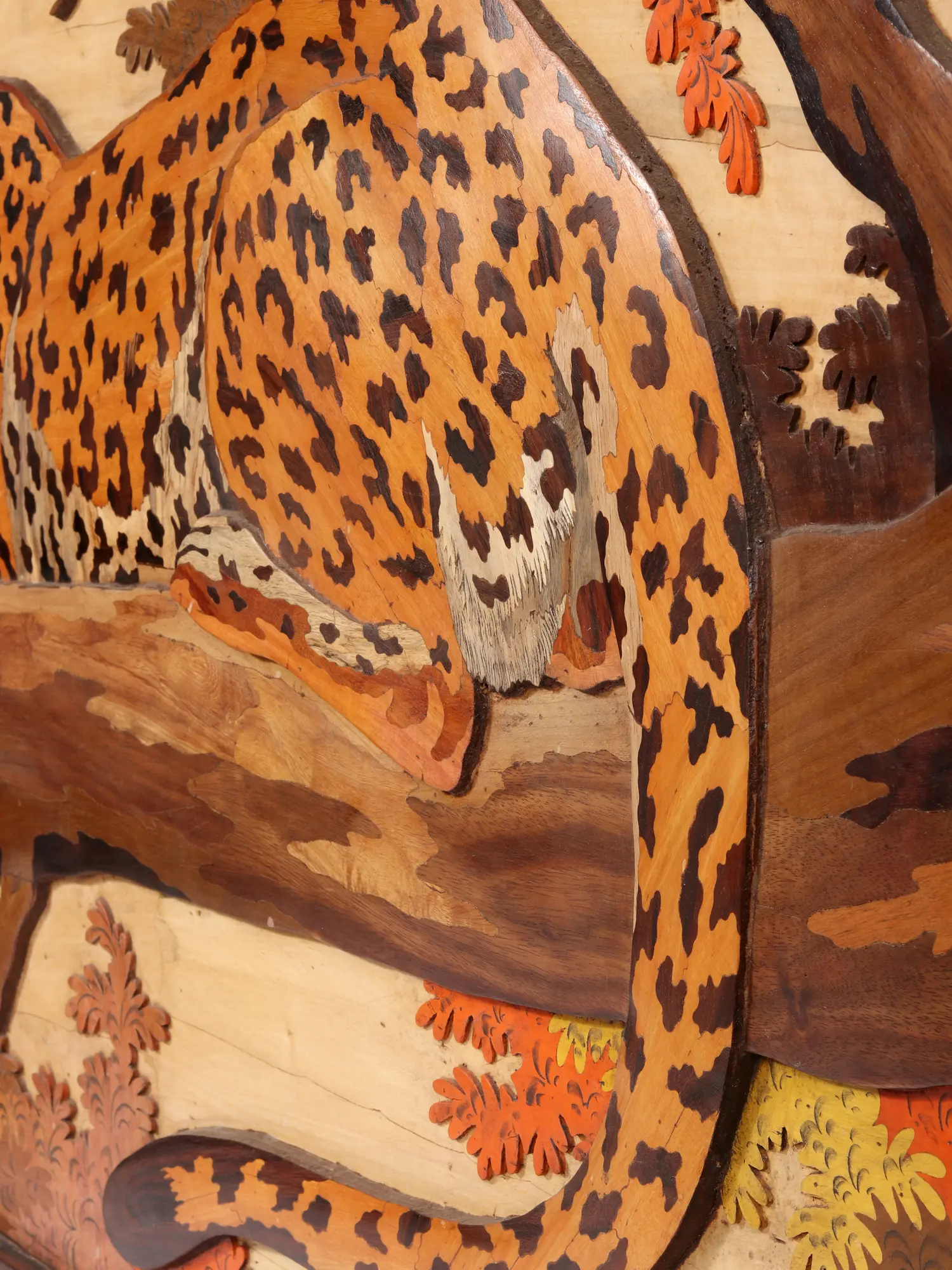
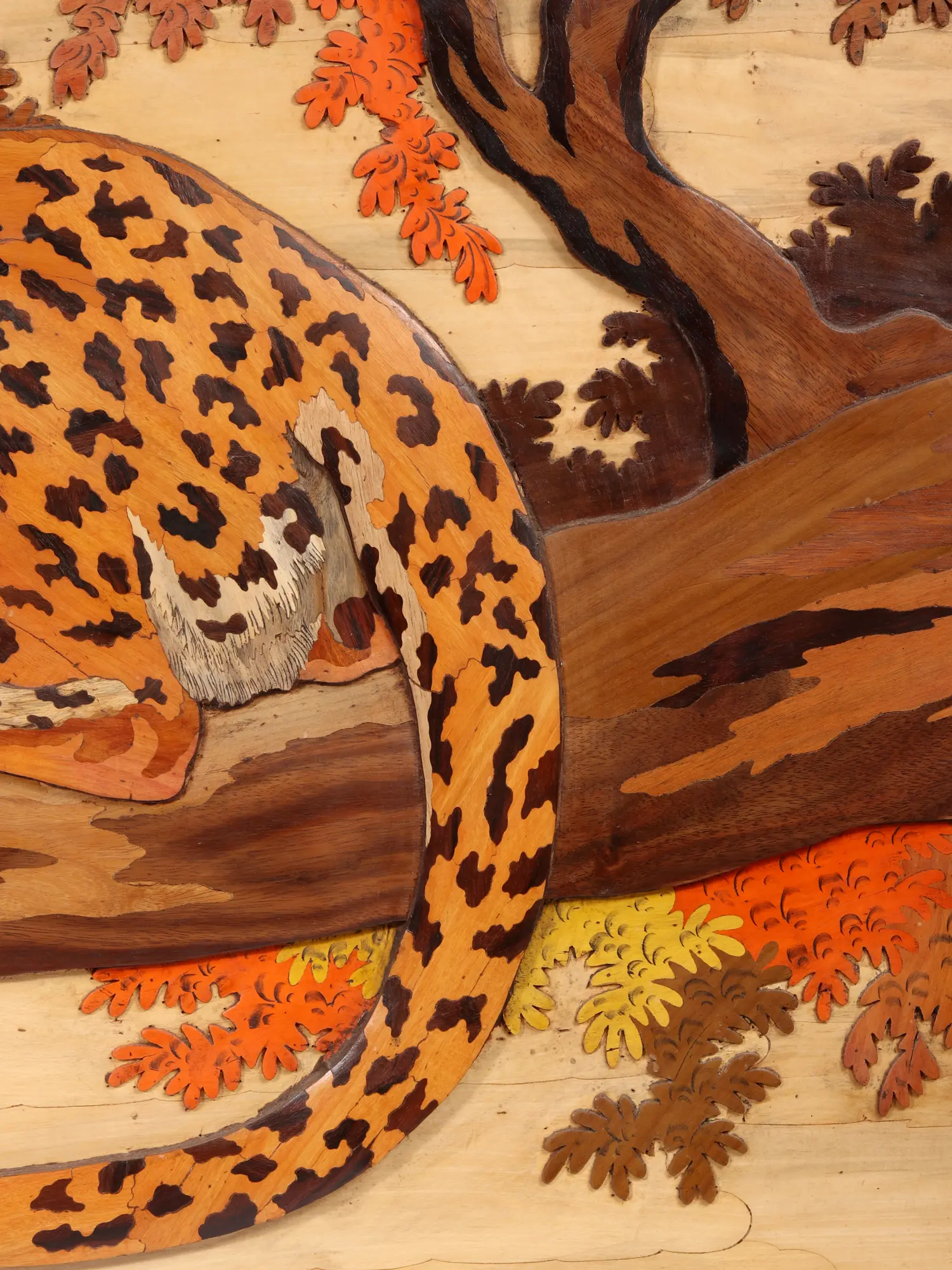
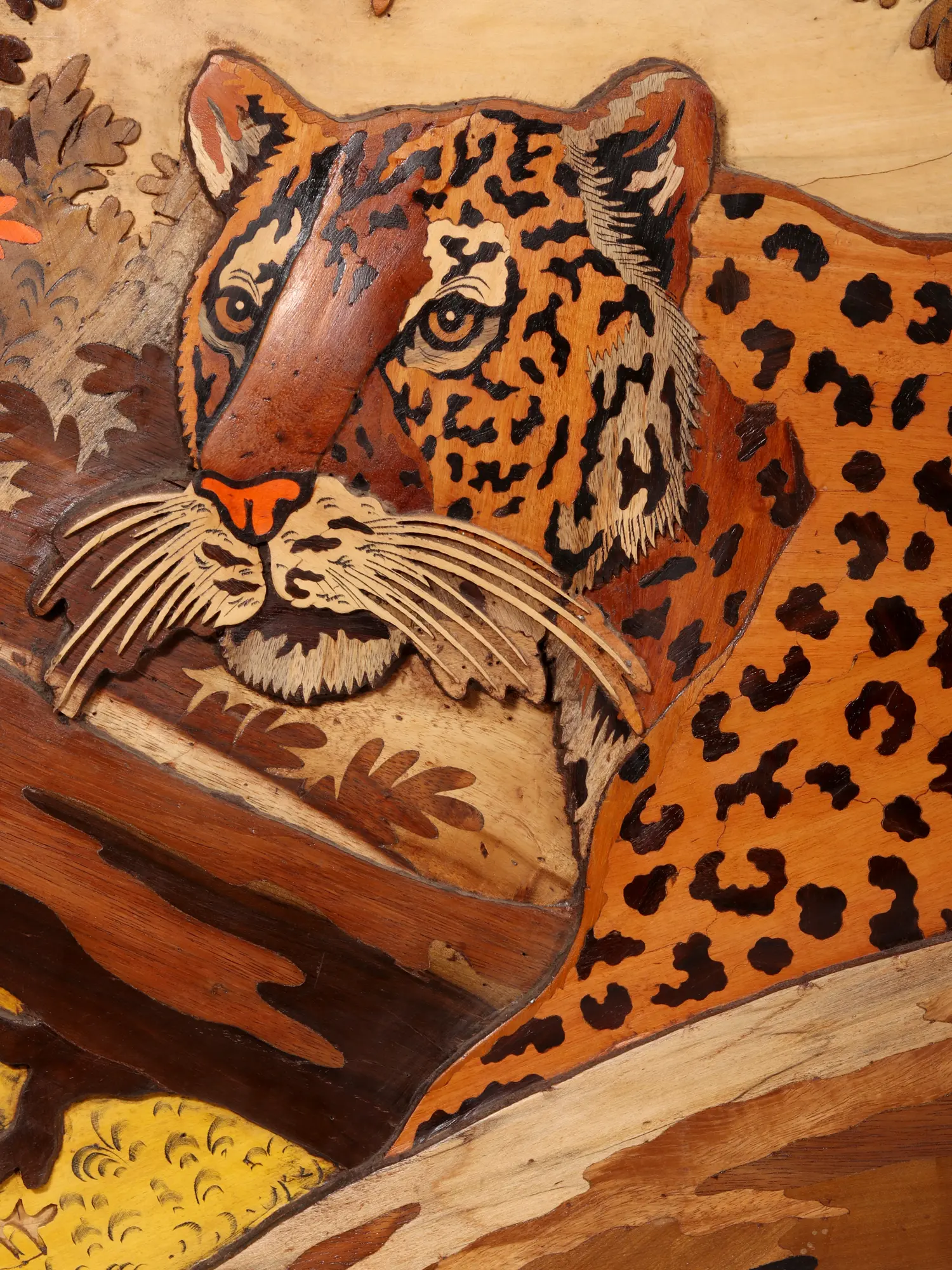
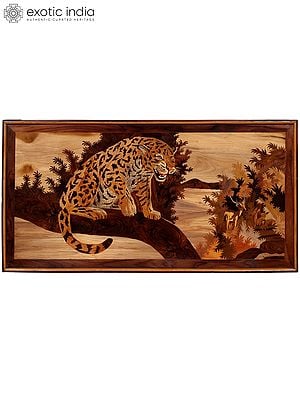
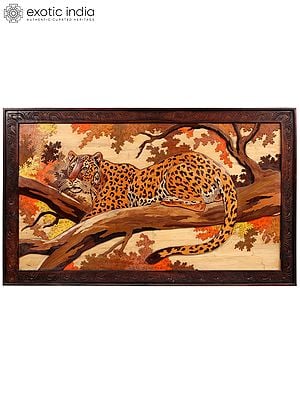
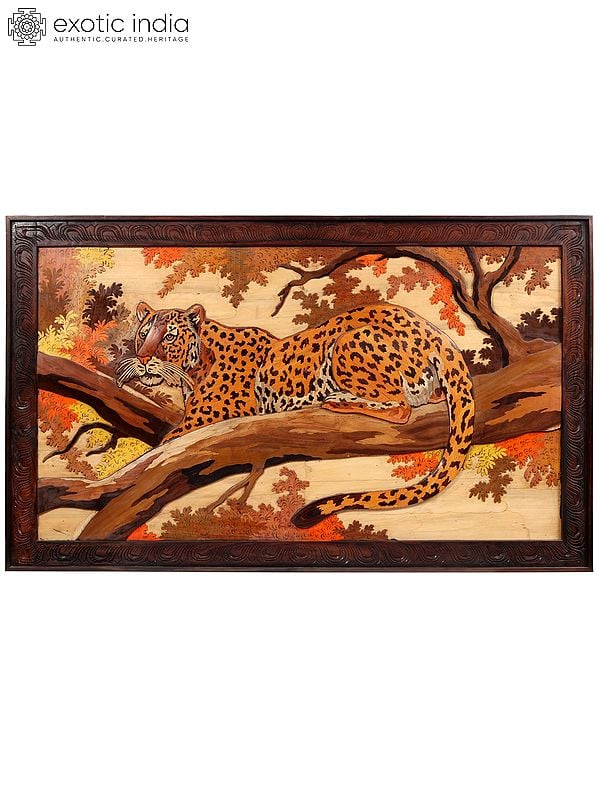
Immerse yourself in the timeless artistry of Mysore with this exquisite wall panel. The panel showcases a striking depiction of a leopard in a moment of serene repose, comfortably draped across the branch of a tree. The natural wood canvas provides a warm and organic backdrop, which sets the stage for the meticulous inlay work that brings this scene to life. The colors are not just applied; they are inherent to the natural grains and textures of the inlaid wood pieces, offering a depth and richness unattainable through mere painting. Each piece is carefully chosen and placed to create a cohesive image, demonstrating the artisans’ deep understanding of their materials and their unwavering dedication to their craft. The raised effect of the 3D elements further enhances the visual interest, inviting you to reach out and feel the texture of the leopard's fur and the rough bark of the tree. The surrounding autumnal foliage adds a warmth and a sense of depth that draws the viewer into the scene.The Leopard in Mythology and Culture
The leopard, a creature of power and grace, holds a significant place in the myths and cultures of various societies. In some African traditions, the leopard is revered as a symbol of leadership and courage, embodying the strength and agility of a powerful ruler. Often, the leopard skin is a potent symbol of status, worn by chiefs and high-ranking members of society to denote their authority and connection to the animal's formidable power. In ancient Greece, the leopard was associated with Dionysus, the god of wine, revelry, and ecstasy. Depictions often show Dionysus riding in a chariot pulled by leopards, highlighting the animal's connection to wild energy and unbridled passion. In some Asian cultures, the leopard is seen as a guardian and protector, its fierce nature and elusive habits making it a powerful symbol of strength and resilience. The animal's nocturnal habits also connect it to the moon and the realm of the mysterious and unseen. This panel captures the spirit of the leopard: a creature of beauty and quiet strength, at peace within its natural environment.The Legacy of Mysore Inlay
Mysore inlay work is a revered art form that has been passed down through generations of artisans in the region of Mysore, India. Known for its intricate detail and use of natural materials, this art involves carefully embedding small pieces of wood, ivory (now replaced with sustainable alternatives), and other materials into a base surface, creating a smooth and seamless design. The art form reached its zenith during the reign of the Wodeyar kings, who were patrons of the arts and encouraged the development of local crafts. The legacy of these royal patrons continues to inspire and inform the work of contemporary Mysore inlay artists, who strive to preserve the traditions and techniques of their ancestors. Skilled artisans meticulously piece together different types of wood, each chosen for its unique color and grain. This painstaking process can take weeks or even months to complete, depending on the size and complexity of the design. Displaying this panel in your home is not just acquiring a piece of art; it is owning a tangible piece of history and supporting a living tradition of exquisite craftsmanship.How Mysore Wooden Inlay Paintings Are Made ?
Wood inlay is a historically significant art form from the 18th century. It arrived in India through Srirangaptnam in Mysore from Persia but has become an inevitable part of the Indian heritage. Tipu Sultan and the Wodeyars/Wadiyars are credited with the growth of this 400-year-old art form in Mysore and its neighboring areas.
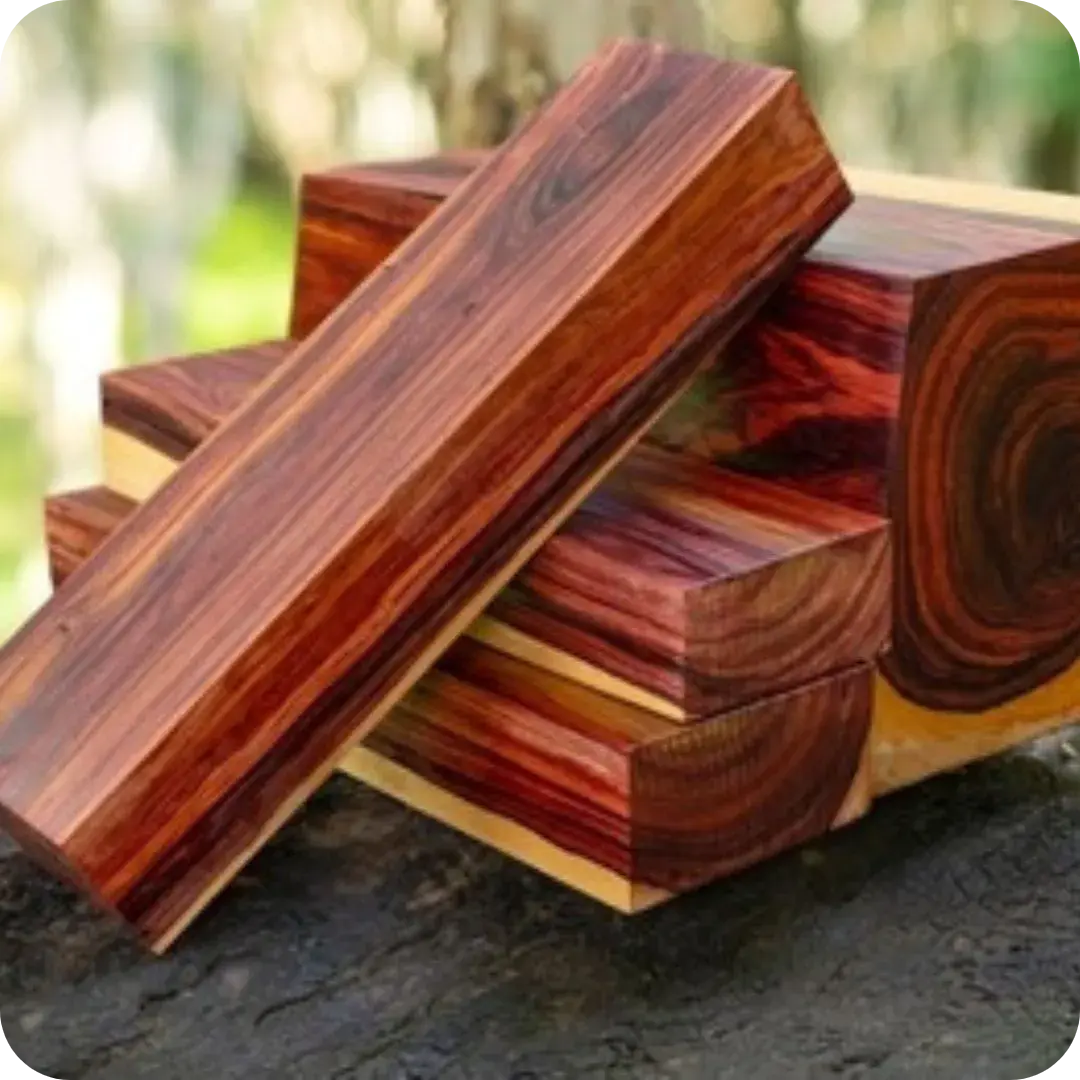
Wood inlay work is usually done on a Mysore rosewood base, and other woods are used, like mango, kadam, jackfruit, rubber, doodhi, etc. Pieces of wood are adorned with beautiful motifs and patterns made from various materials. From wall hangings and paintings to jewelry boxes and furniture, many items are made using the Mysore wood inlay technique.
An outline is etched on a piece of rosewood with a sharp tool. Then, the area inside the outline is hollowed out, and materials like lacquer, enamel, contrasting wood, and sometimes even gold and silver are placed inside it. A sandpaper is used to give a
smooth finish to the surface.
Process of Mysore Wood Inlay Work -
The first step in the process is selecting the base and the design to be carved onto it. Planks are cut out of Rosewood logs in many shapes like square, rectangular, oval, or even circular. The surface is smoothened, and the sides are evened out.
The second step is creating the designs for the inlay on paper. These designs are then traced on transparent paper and then transferred to the surface of the desired material, such as another type of wood, lacquer, plastic, etc.
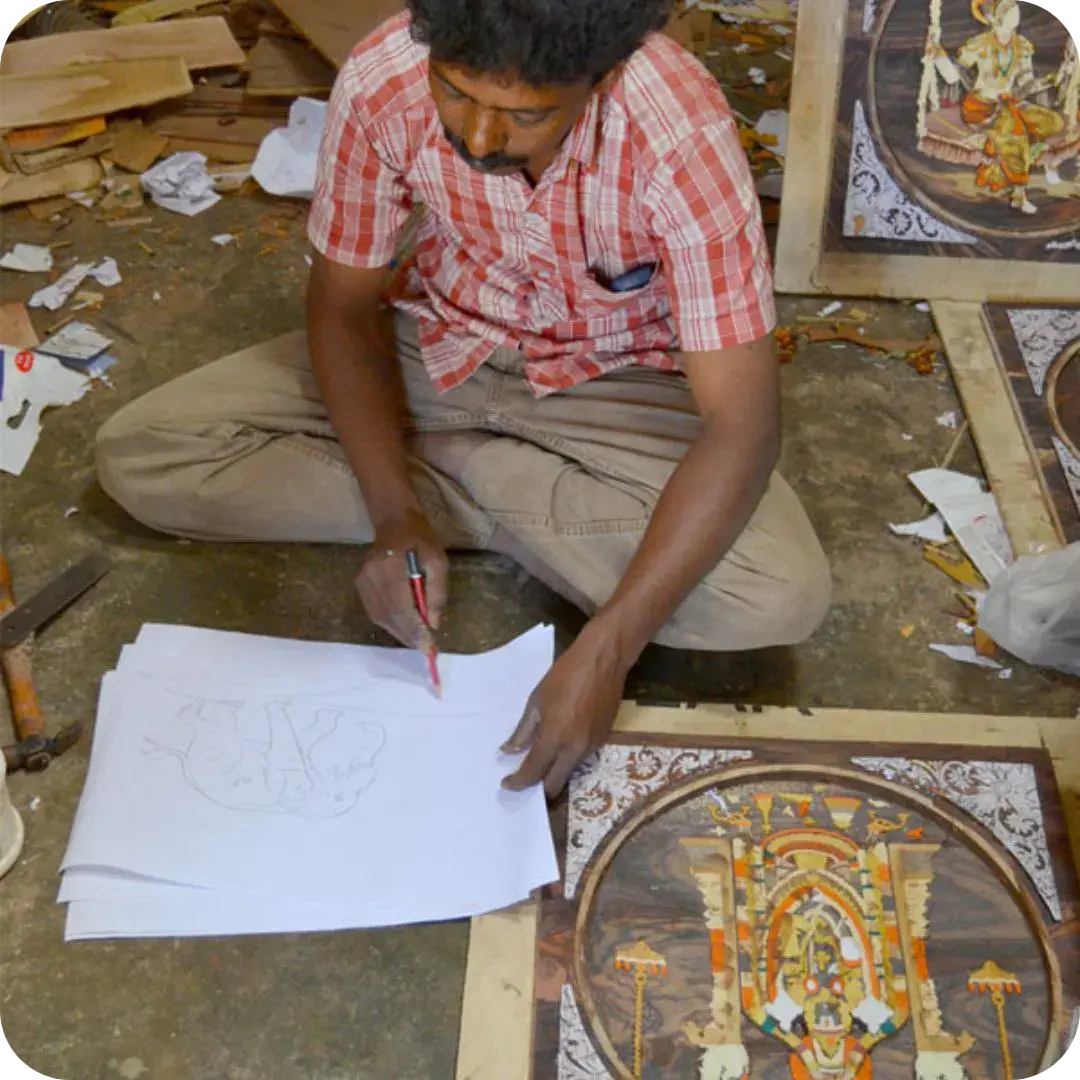
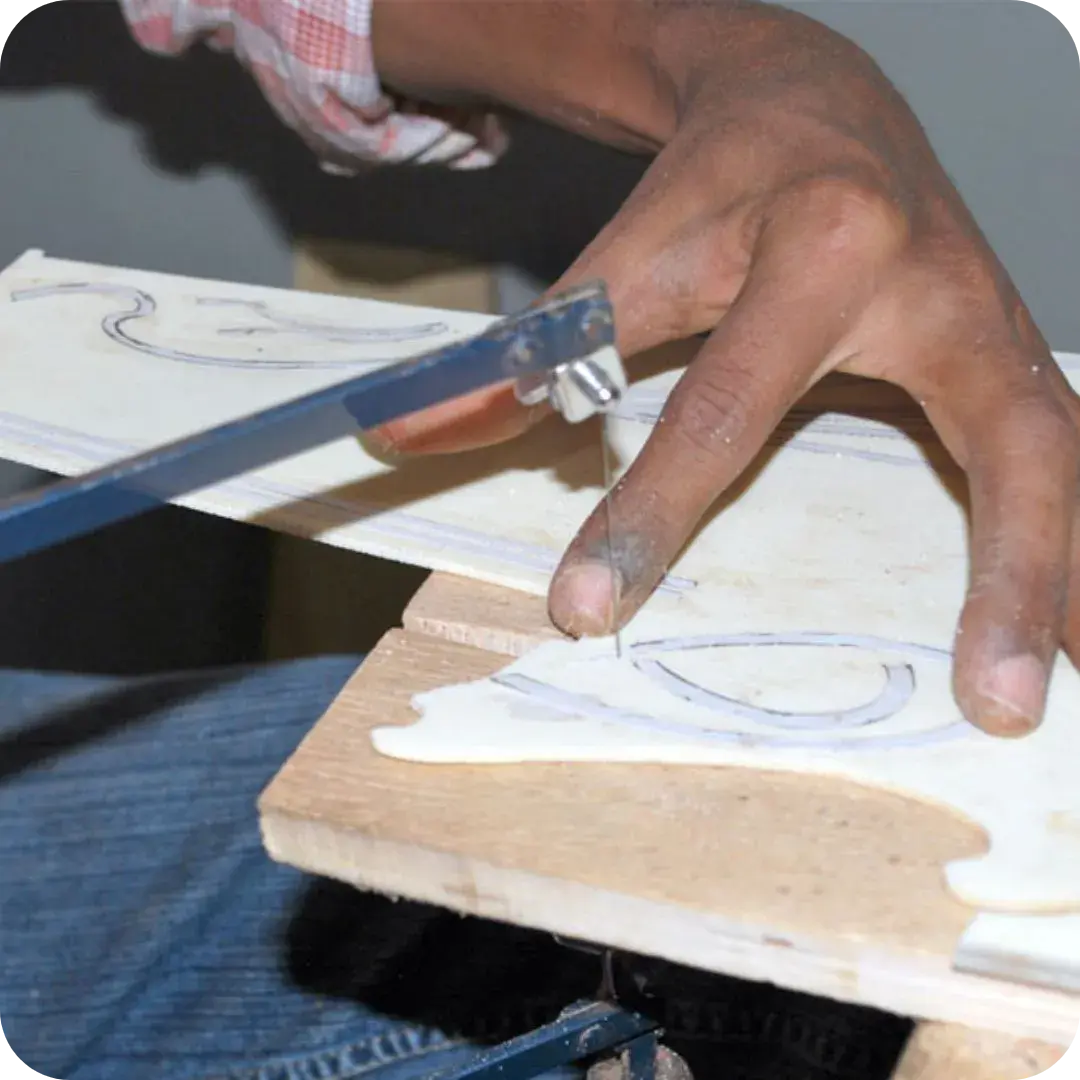
After that, the design is traced onto the rosewood planks. Using a coping saw, the designs are cut, and the rough edges are smoothened using a smooth file. Once that is done, the wood inside the outline is scooped out, leaving groves in the plank.
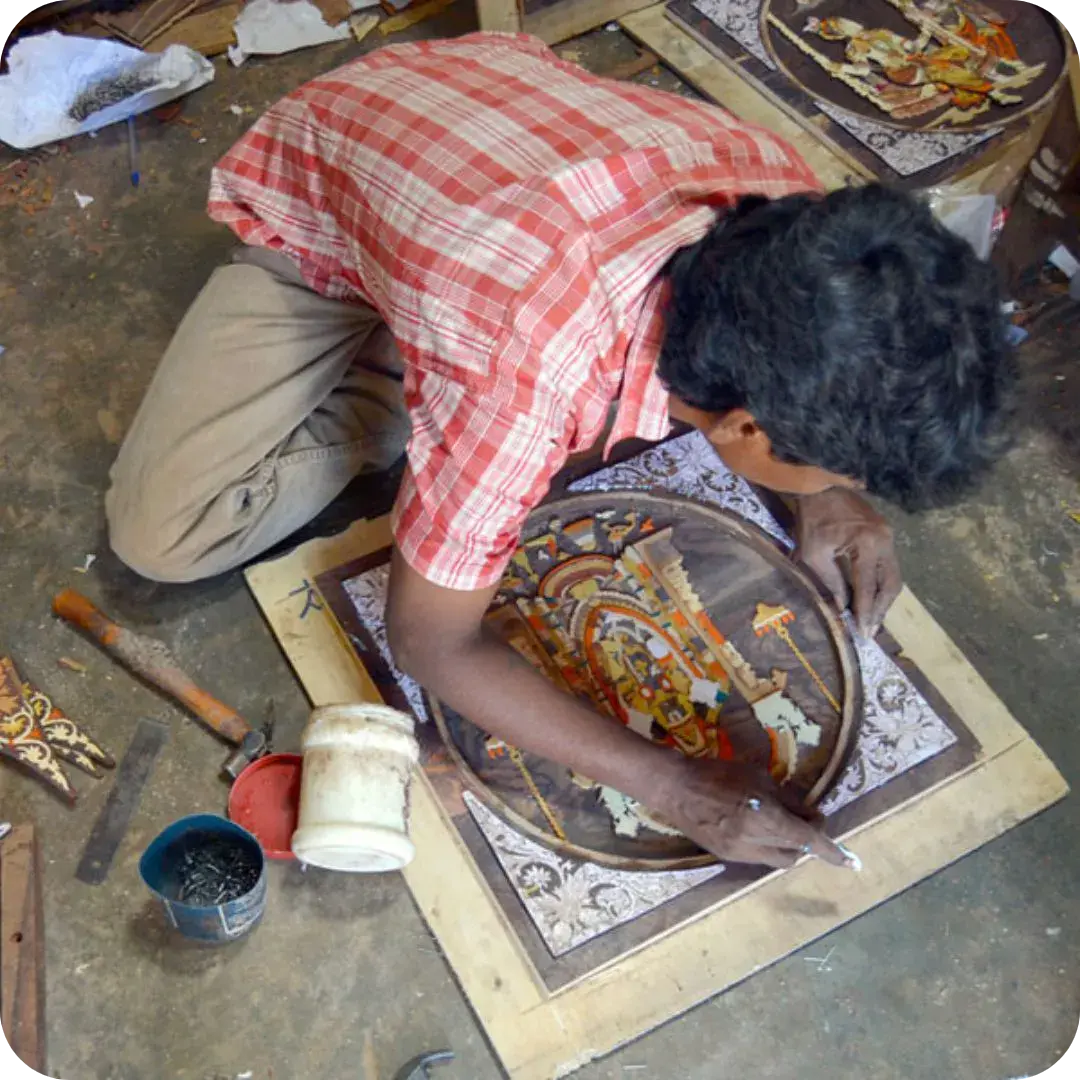
After that, the design cutouts are fitted in the groves, and the surface is beaten with a hammer to ensure the designs stay firm and in place. In case of any gaps, they are filled using a mixture of glue, rosewood, and sawdust.
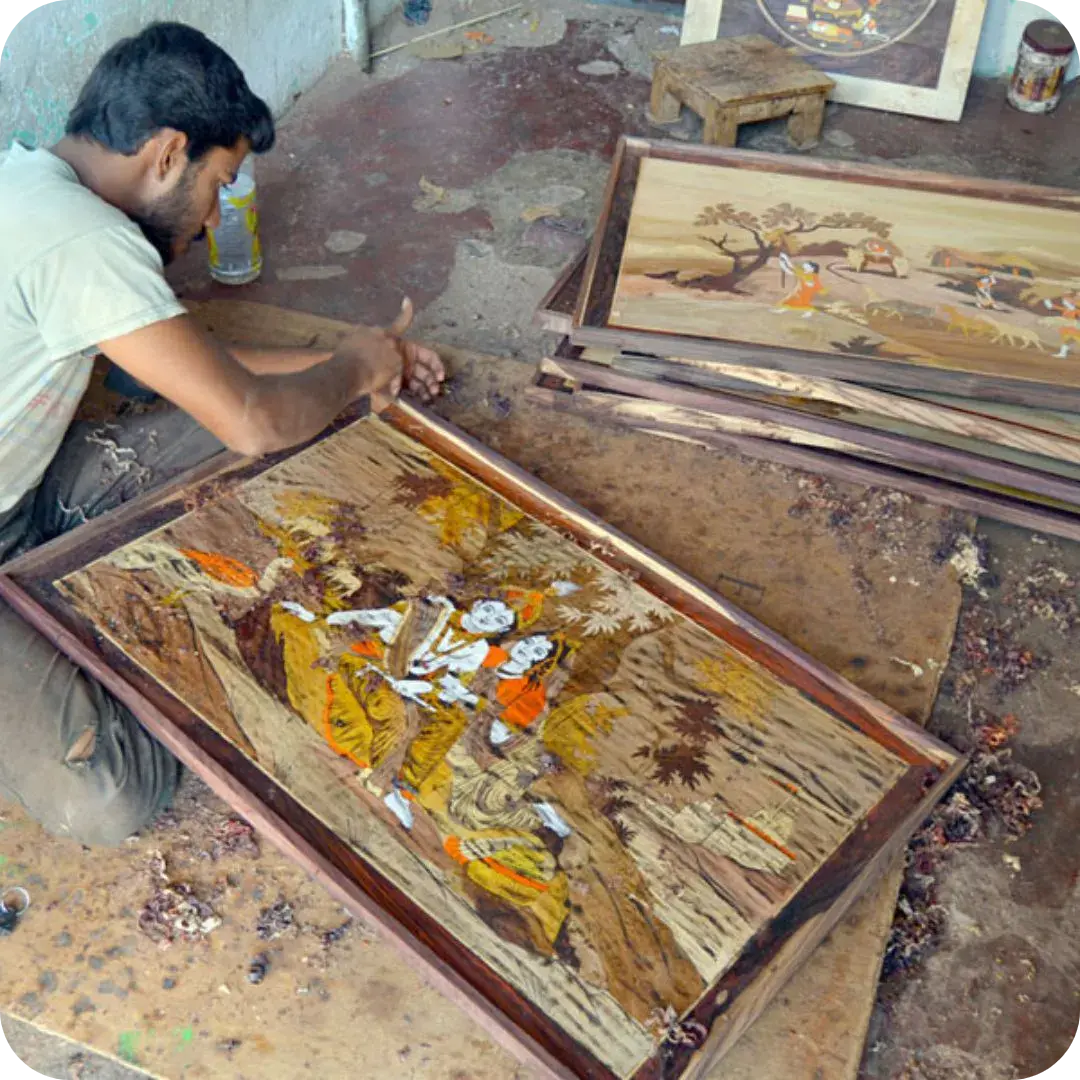
The final step in creating Mysore wood inlay products is cleaning and polishing the items with beeswax. A coating of lacquer is applied to give them a glossy touch.












 Upload an Image