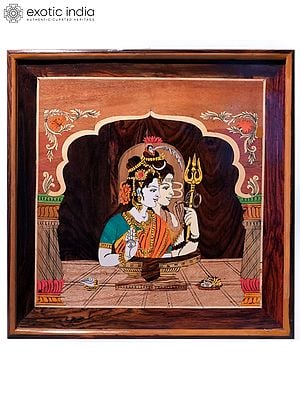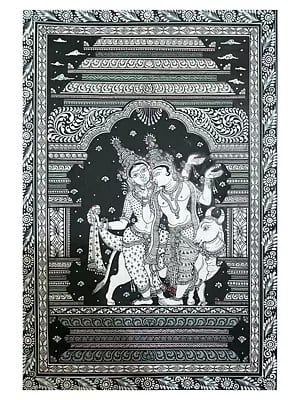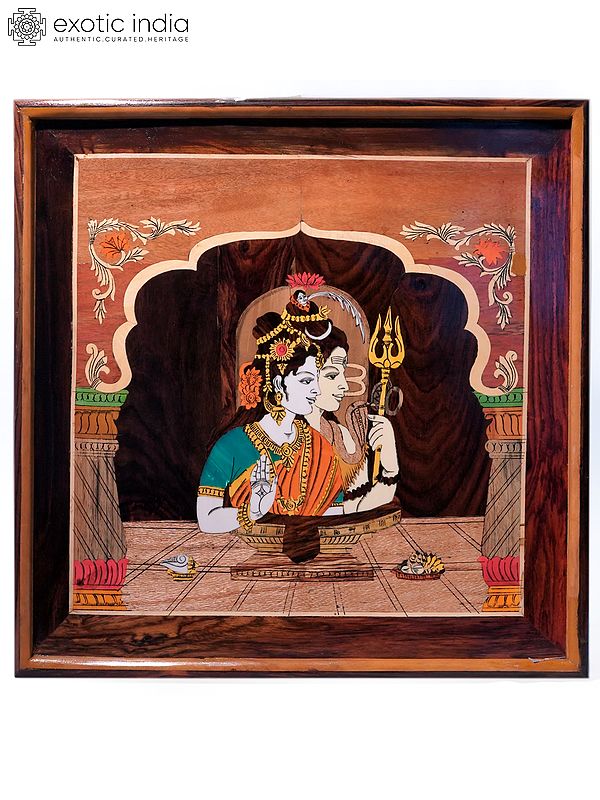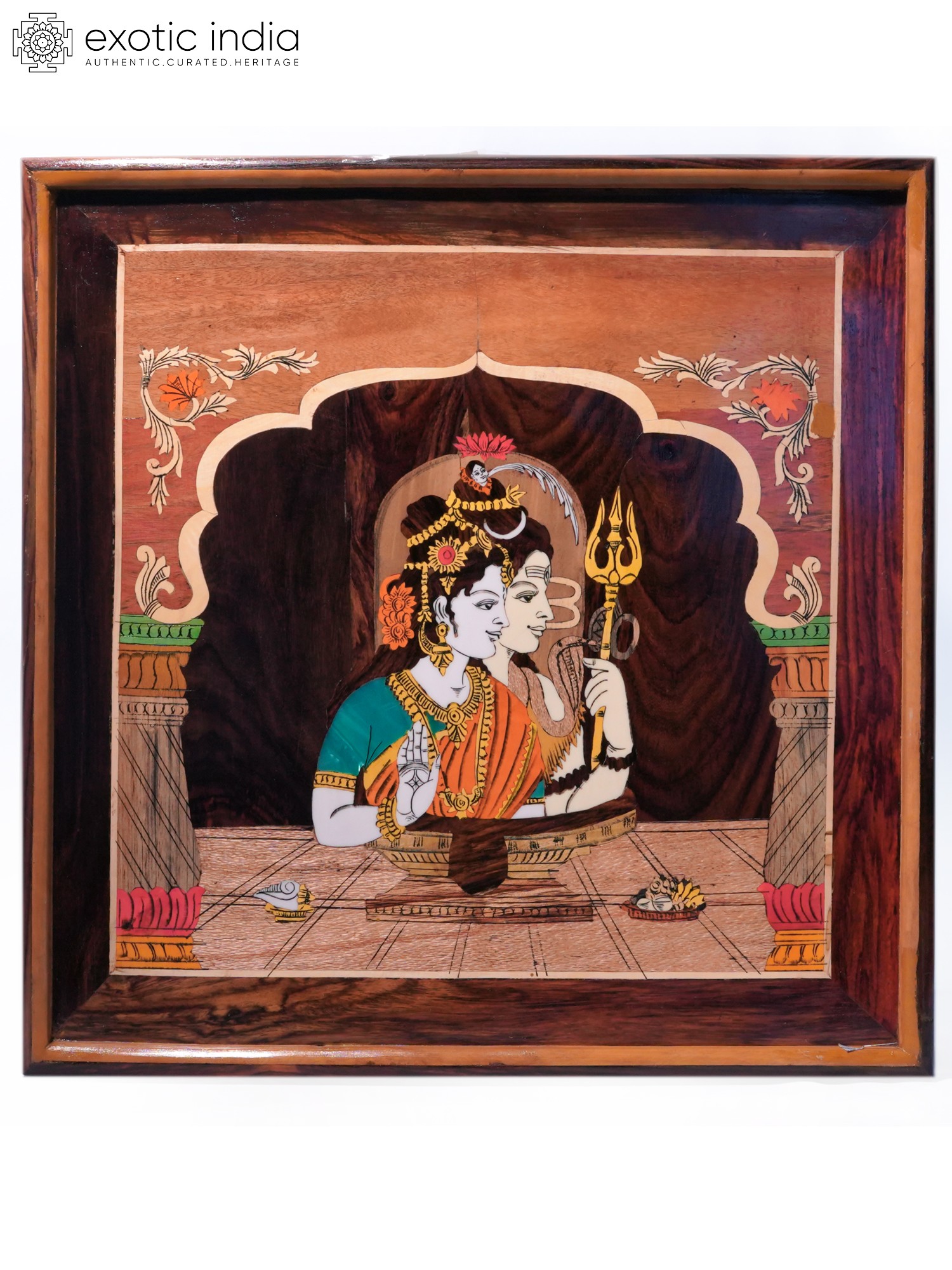
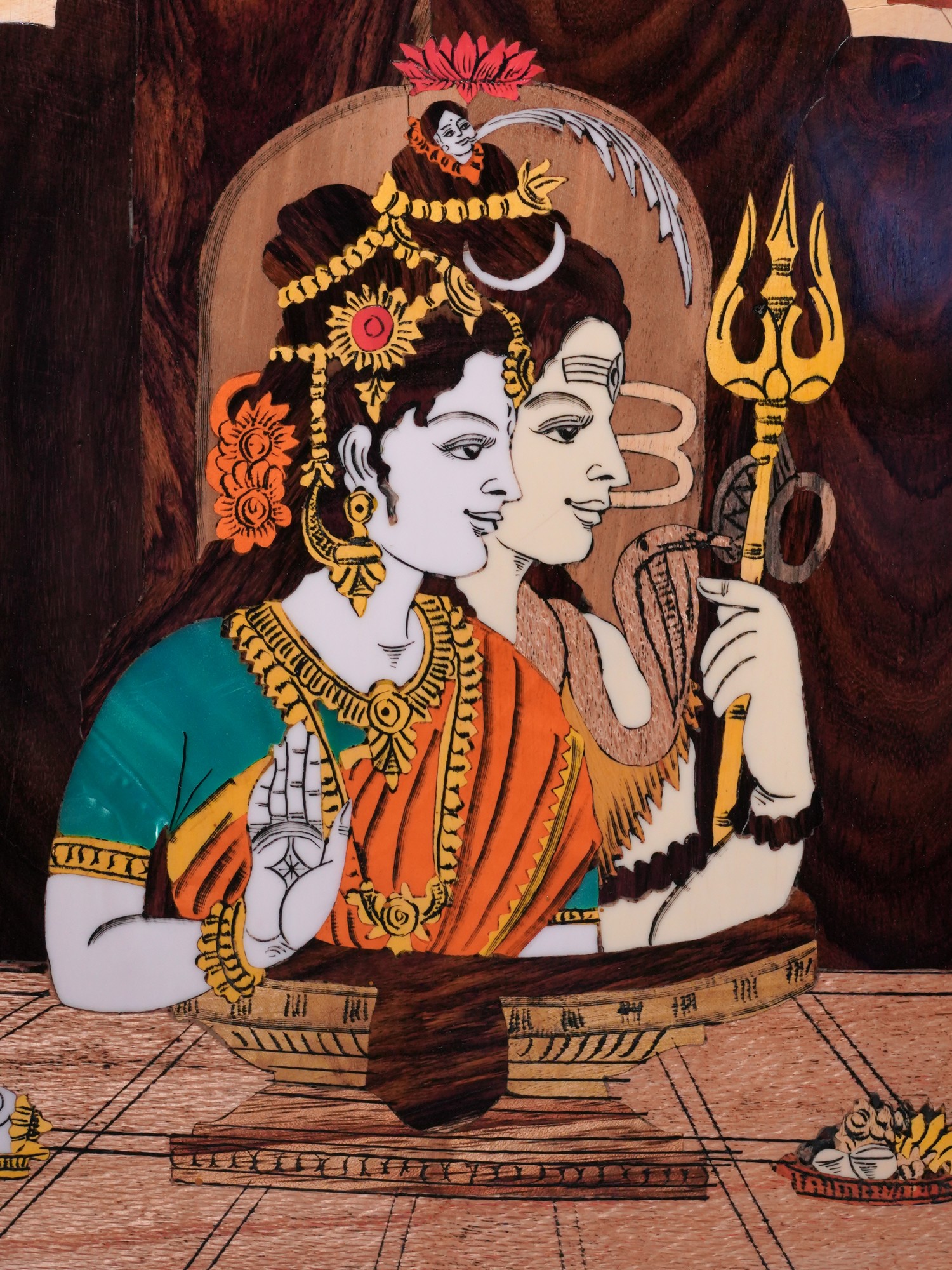
19" Divine Darshan Of Shiva And Parvati | Natural Color On Wood Panel With Inlay Work
$259
Includes any tariffs and taxes

Only 1 available
Notify me when this item is available
| Specifications |
 |
DDF281 |
 |
Natural Color On Wood With Inlay Work |
 |
19 inch Height X 19 inch Width X 1 inch Length |
 |
Weight 2.10 kg |
| Delivery and Return Policies |
 |
Usually ships in 8 days |
 |
Returns and Exchanges accepted within 7 days |
 |
Free Delivery |

Easy Returns

Fully Insured

100% Handmade
An Enduring Art Form
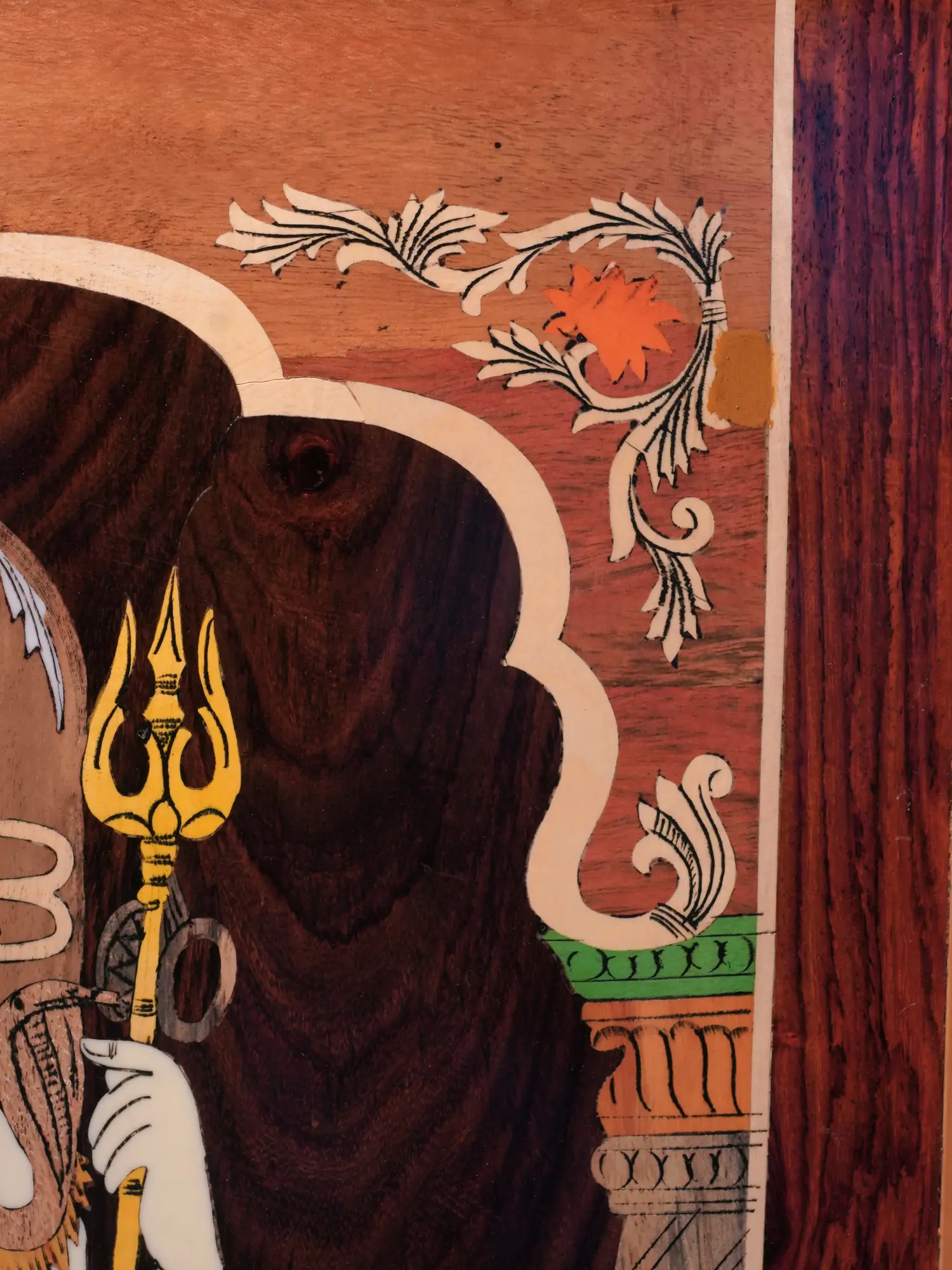
Mysore wooden inlay is a captivating art form that originated in the ancient kingdom of Mysore, in the state of Karnataka, India. Rooted in centuries of tradition, this intricate craft involves the meticulous process of embedding small pieces of wood, ivory, and other materials into a base of sandalwood or rosewood. These inlays are then carefully arranged to create stunning depictions of deities, scenes from mythology, and elaborate decorative patterns. The final result is a visually striking piece that showcases the remarkable skill and artistry of the craftsmen. The art flourished under the patronage of the Mysore royal family and continues to be practiced by artisans who are descendants of those employed in the royal workshops.Shiva and Parvati: The Eternal Couple
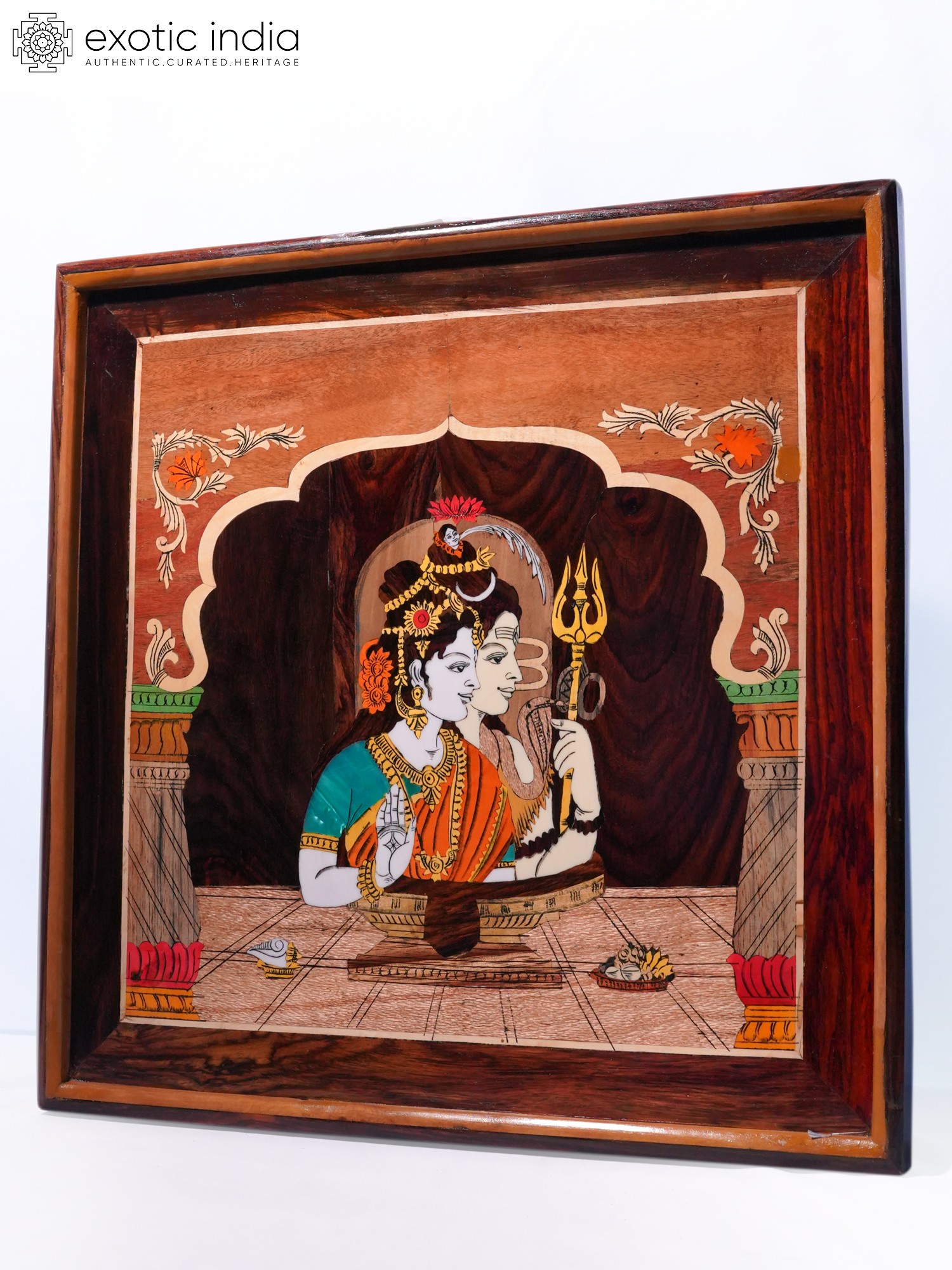
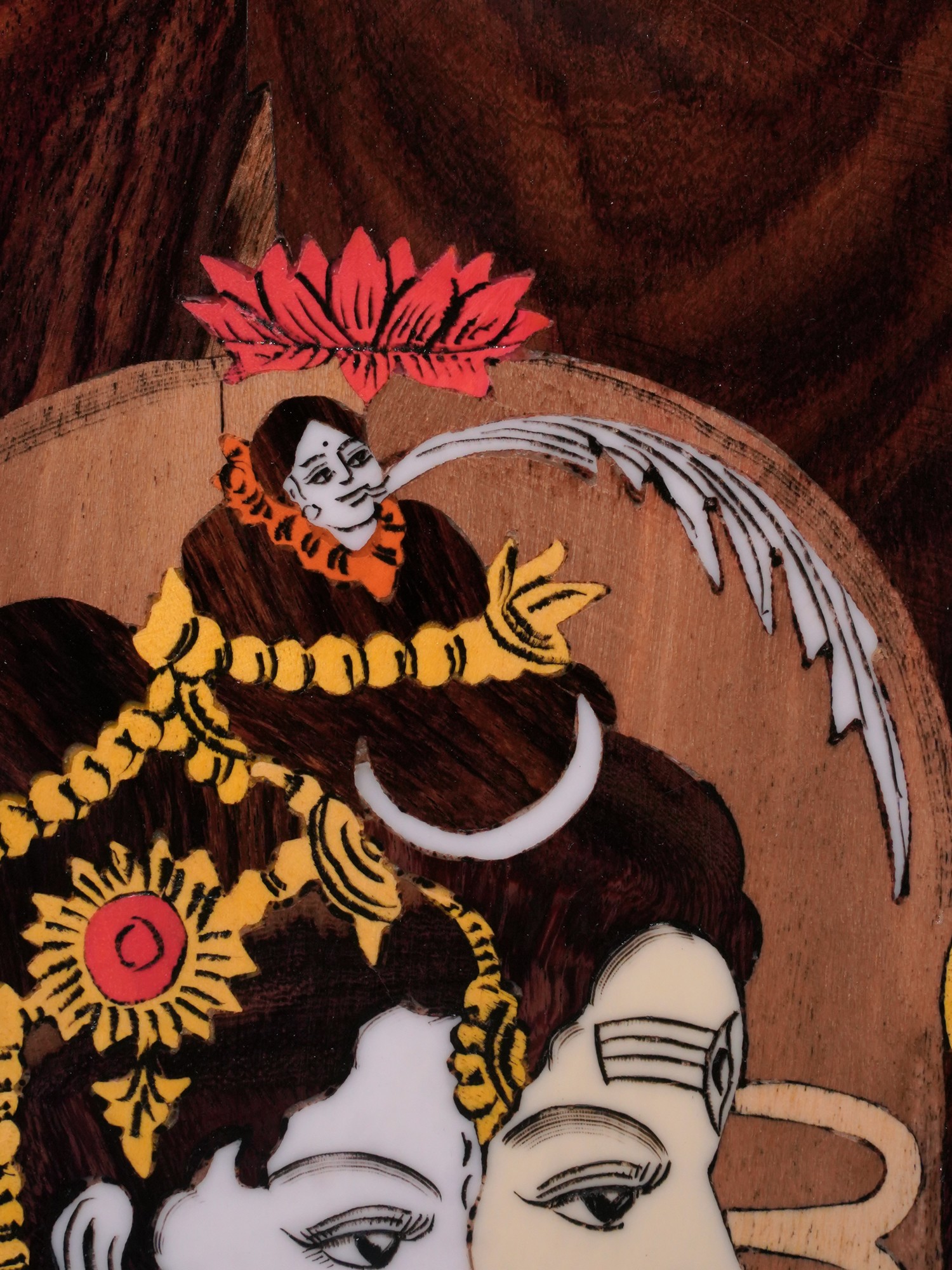
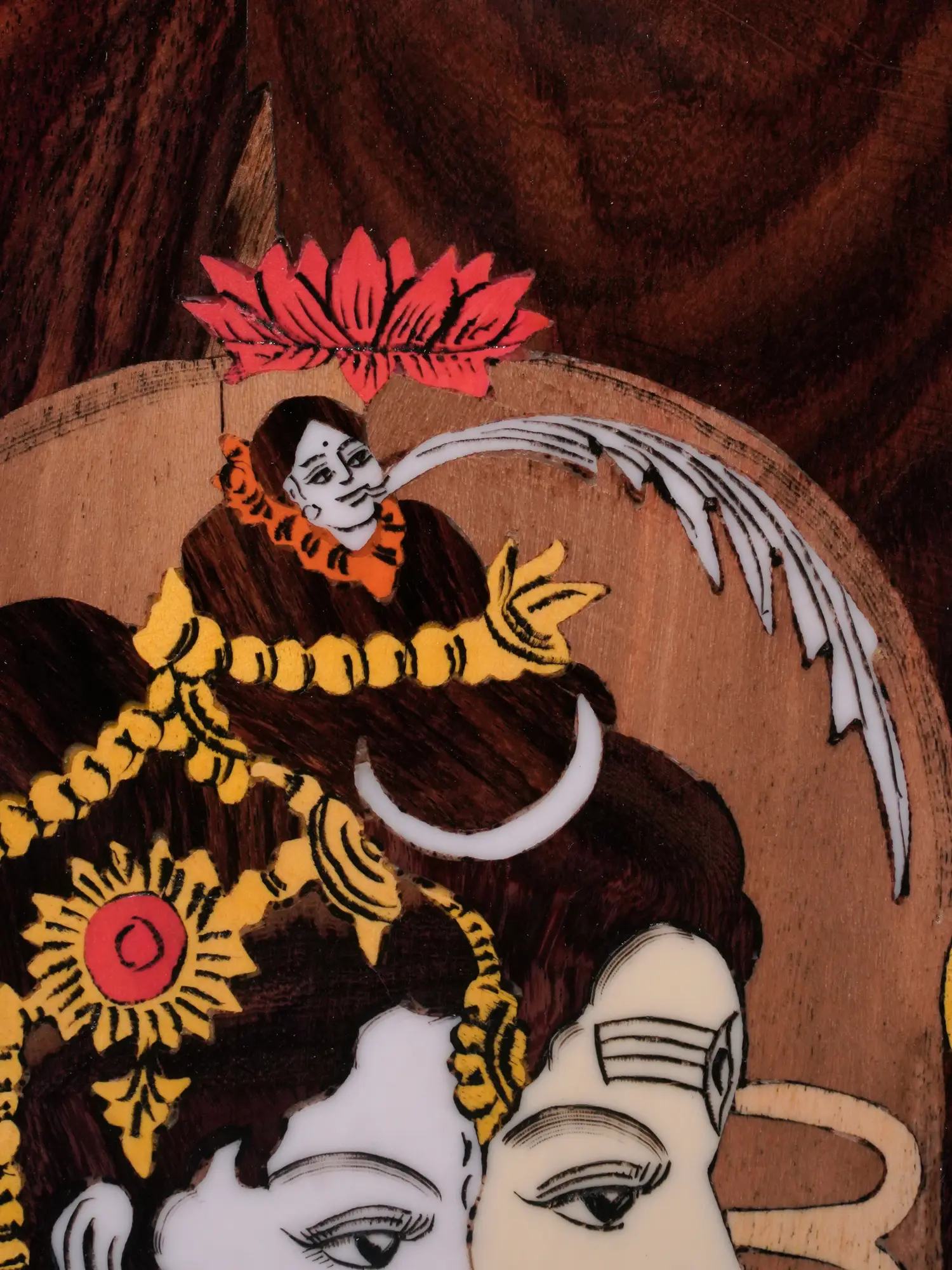
This artwork portrays Shiva and Parvati, the divine couple who represent the perfect balance of masculine and feminine energies in the universe. Shiva, the destroyer and transformer, is often depicted with a third eye, a symbol of wisdom and insight. Parvati, the goddess of power, love, and devotion, is revered as the mother of the universe. Their union symbolizes the harmonious coexistence of opposing forces, highlighting the significance of equilibrium and interdependence. Stories of Shiva and Parvati’s love, devotion, and cosmic dance are popular throughout India. Their relationship is an archetype of conjugal harmony and spiritual partnership, representing the unity of consciousness and energy that sustains the cosmos.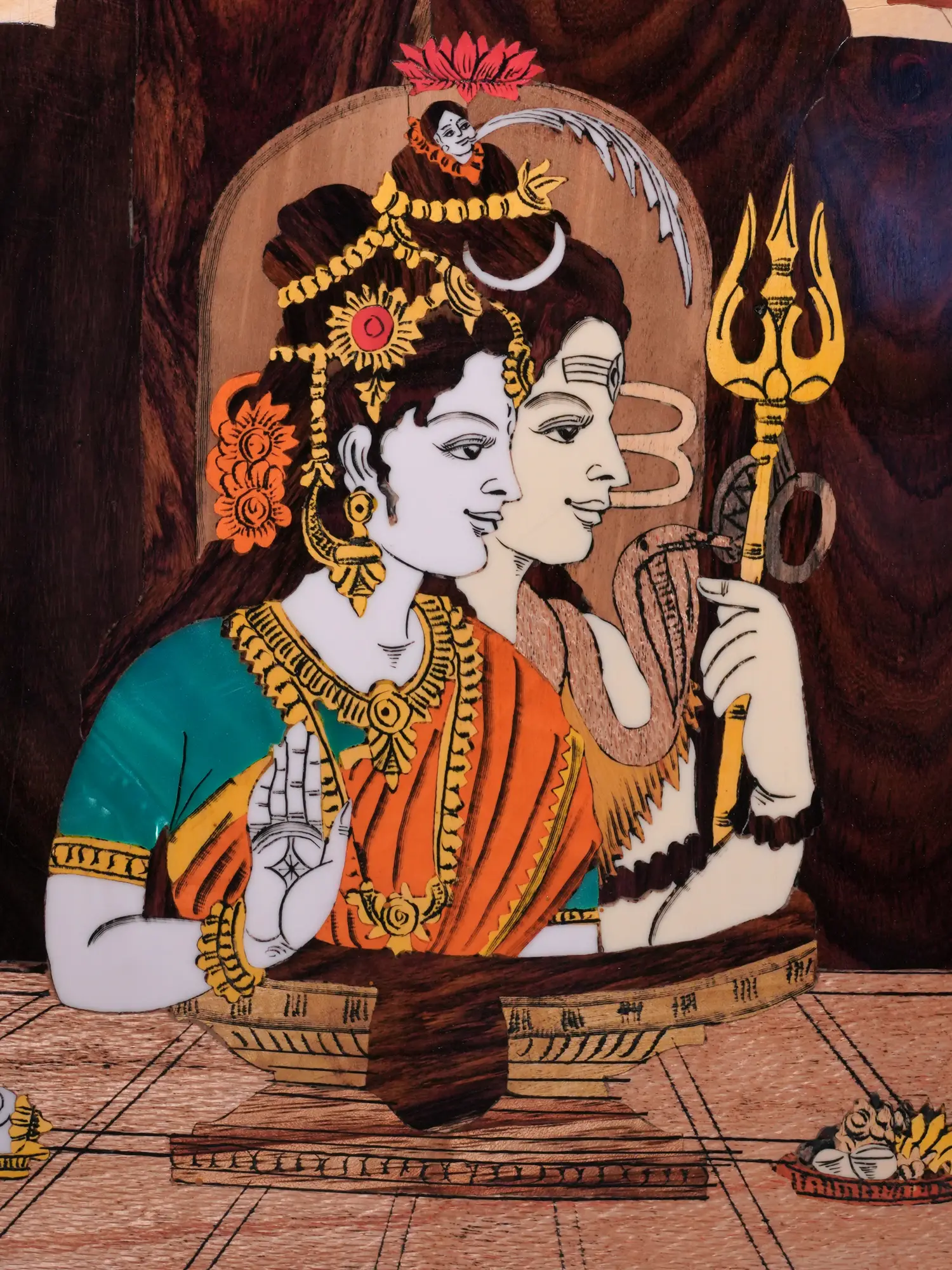
A Glimpse of Divinity
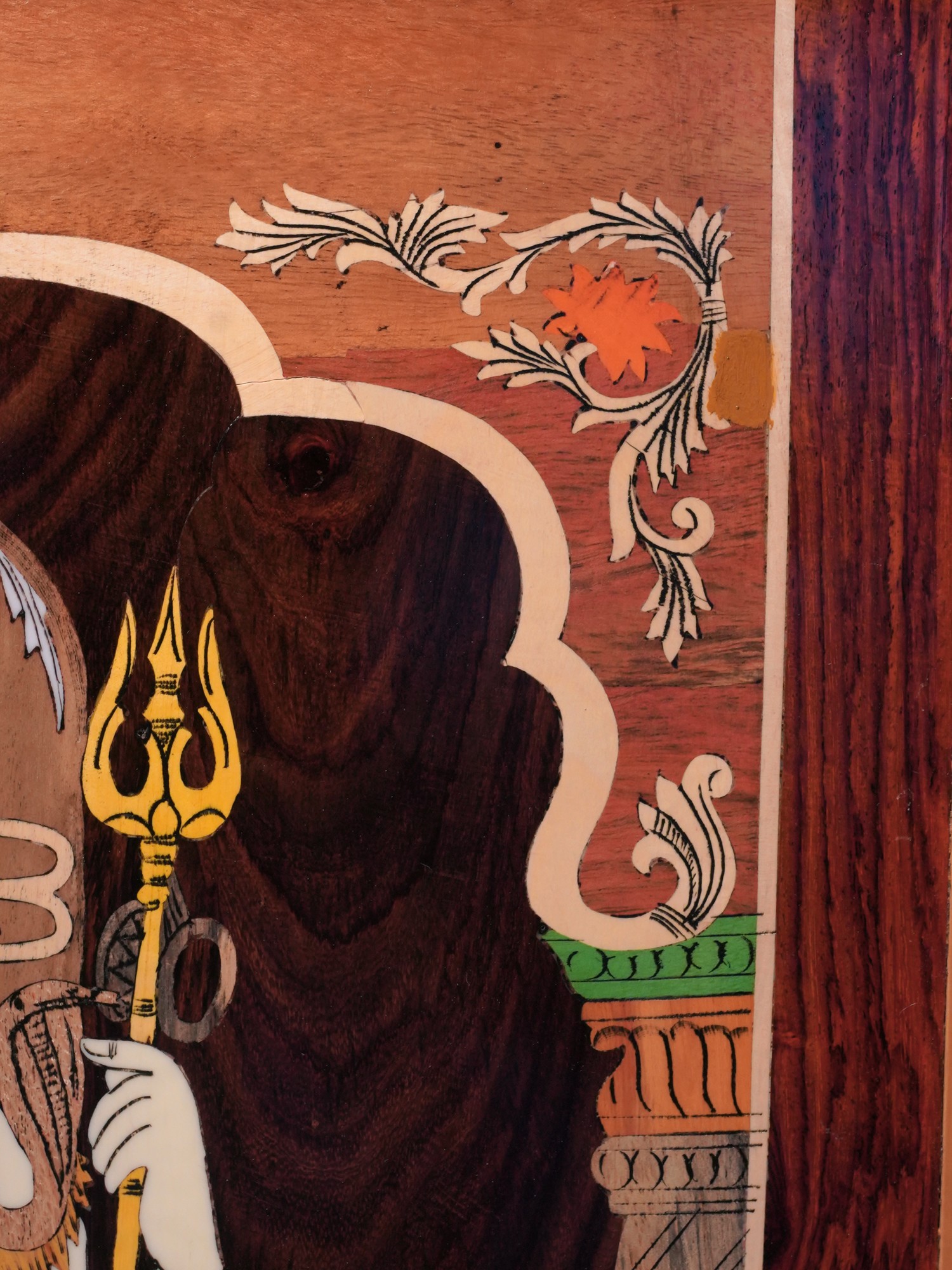
The artwork itself captures Shiva and Parvati in an intimate pose, side by side, each radiating a gentle radiance. The intricate inlay work showcases the careful precision and skill of the artisan. The natural color palette adds to the beauty of the wood and emphasizes the divine presence of the deities. The scene is framed by an archway, suggesting a sacred space. Offerings of fruit and flowers rest before them, underscoring the theme of devotion. Each detail, from the delicate facial features of Shiva and Parvati to the floral ornamentation that surrounds them, has been lovingly crafted to create a visual experience that invites contemplation. The wooden base offers a solid foundation for the intricate inlay. This artwork is not only an aesthetic masterpiece but also a window into the rich tapestry of Hindu mythology and spirituality. Displaying this piece in your home or sacred space creates an atmosphere of serenity and allows you to connect with the powerful symbolism of Shiva and Parvati.Tips to Care for and Maintain Mysore Wood Inlay Paintings
In order to maintain the shine of a Mysore rosewood handicraft, wax polish can be used on it.
Do not let dust stay settled on the surface of Mysore wood inlay products for a long period. Keep dusting them regularly. To clean them, use a dry cloth gently on the surface to remove the dust.
Wood inlay products have a lot of gaps and crevices due to the technique used on them, and that is where dust particles can be collected. Avoid the accumulation of dust in these crevices by using fine brushes with soft bristles.
Ensure that you do not let the Mysore wood inlay products come in contact with moisture and humidity, as it can cause fading and warping of the wood.
Avoid the usage of alcohol-based liquids on the surface of the Mysore rosewood product since alcohol can corrode the product's surface.
Do not use harsh chemicals and detergents to clean the wood since abrasive cleaners can damage the wood. Use wood-friendly soap if necessary, and let it dry after cleaning.
Dry immediately in case of spillage of liquids on the surface of the item.
Mysore wood inlay products are invaluable art pieces, and they deserve proper and regular care. Better care for them means longer life.
How Mysore Wooden Inlay Paintings Are Made ?
Wood inlay is a historically significant art form from the 18th century. It arrived in India through Srirangaptnam in Mysore from Persia but has become an inevitable part of the Indian heritage. Tipu Sultan and the Wodeyars/Wadiyars are credited with the growth of this 400-year-old art form in Mysore and its neighboring areas.
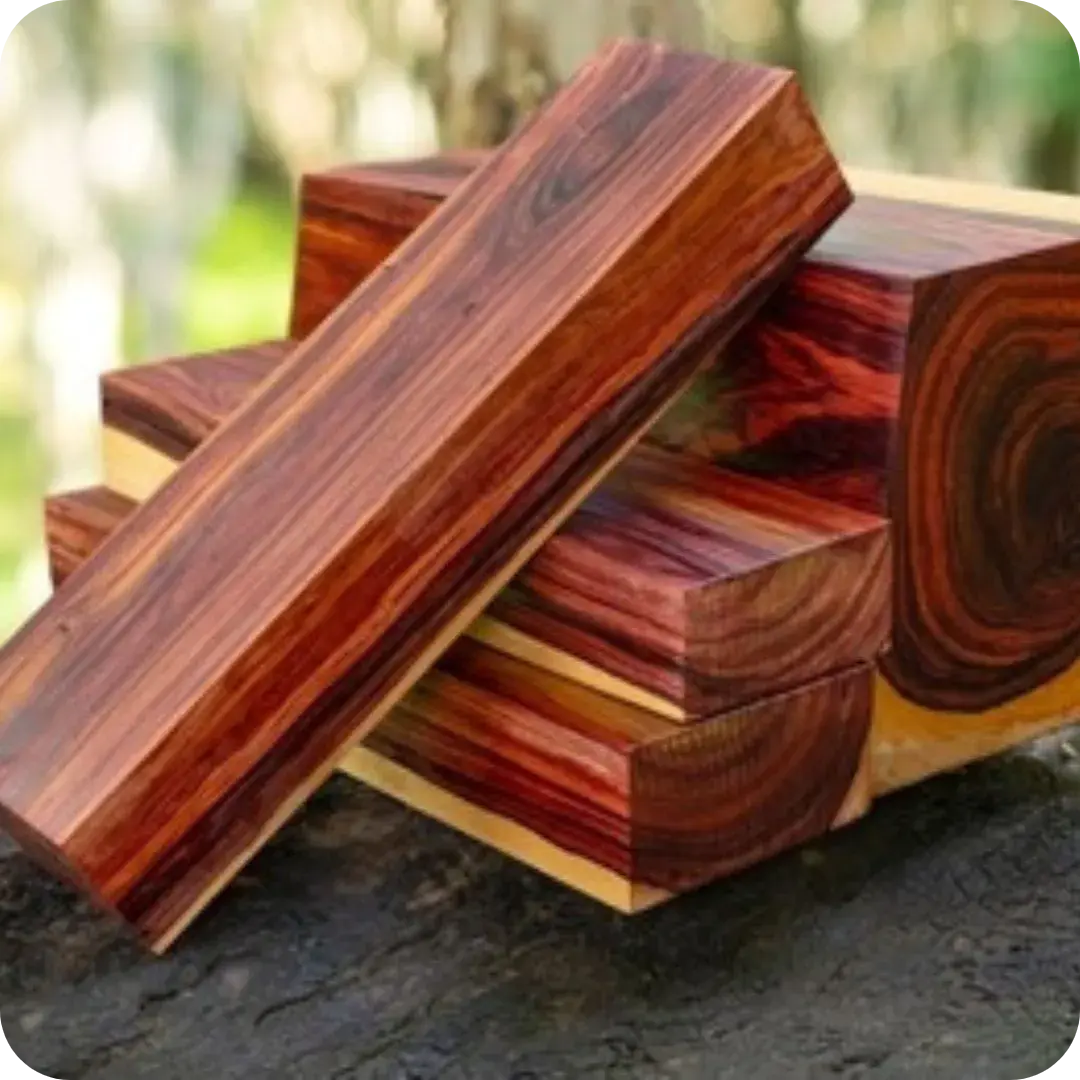
Wood inlay work is usually done on a Mysore rosewood base, and other woods are used, like mango, kadam, jackfruit, rubber, doodhi, etc. Pieces of wood are adorned with beautiful motifs and patterns made from various materials. From wall hangings and paintings to jewelry boxes and furniture, many items are made using the Mysore wood inlay technique.
An outline is etched on a piece of rosewood with a sharp tool. Then, the area inside the outline is hollowed out, and materials like lacquer, enamel, contrasting wood, and sometimes even gold and silver are placed inside it. A sandpaper is used to give a
smooth finish to the surface.
Process of Mysore Wood Inlay Work -
The first step in the process is selecting the base and the design to be carved onto it. Planks are cut out of Rosewood logs in many shapes like square, rectangular, oval, or even circular. The surface is smoothened, and the sides are evened out.
The second step is creating the designs for the inlay on paper. These designs are then traced on transparent paper and then transferred to the surface of the desired material, such as another type of wood, lacquer, plastic, etc.
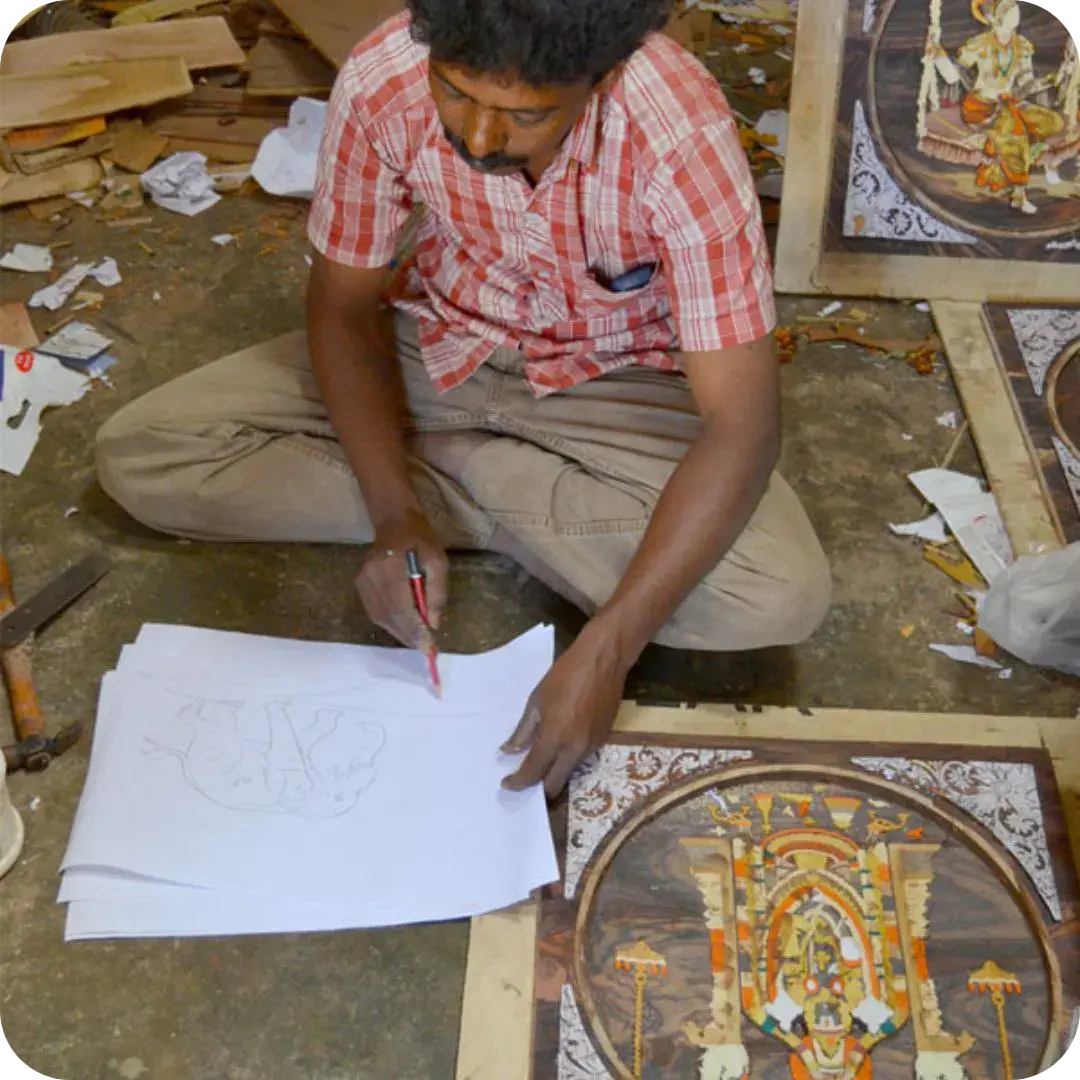
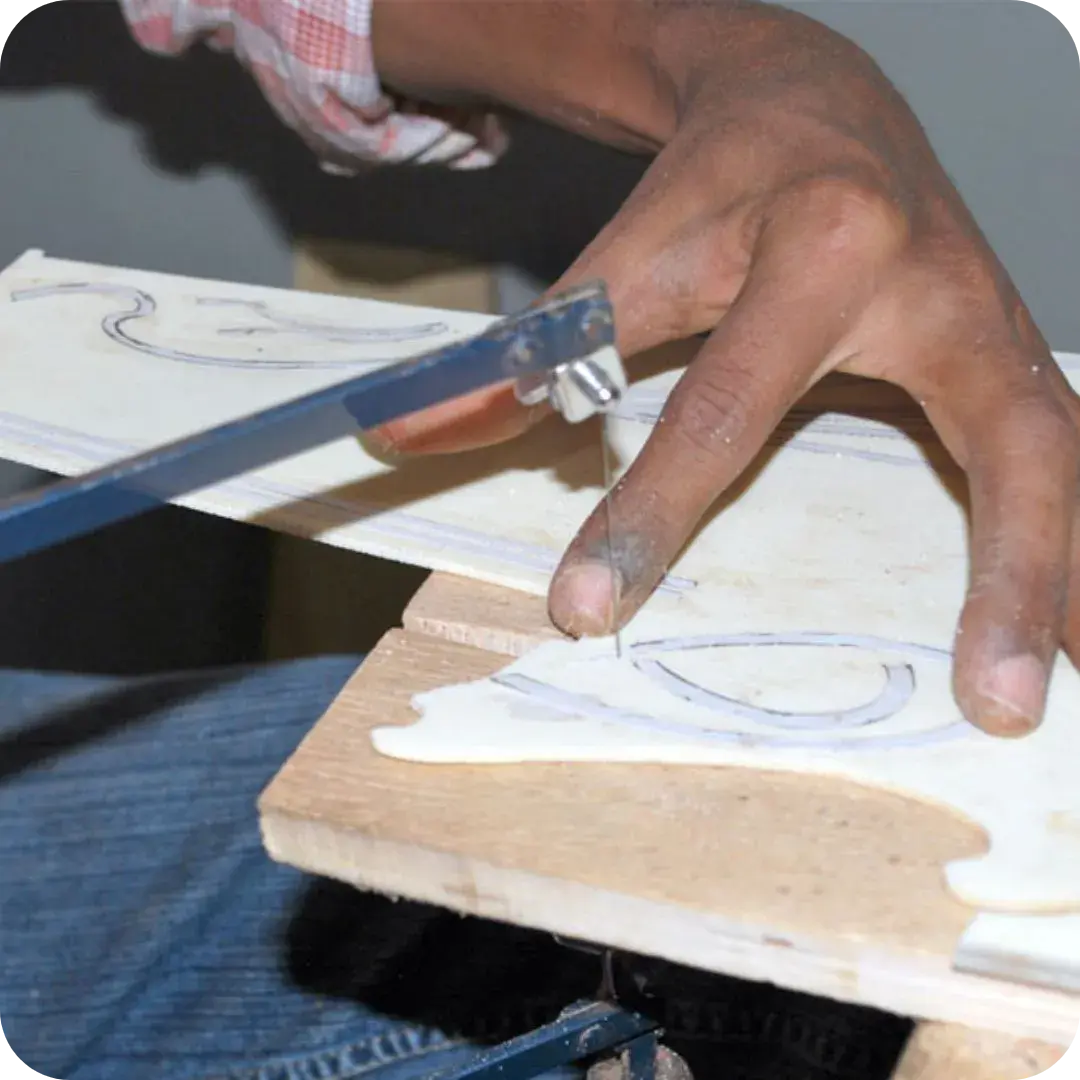
After that, the design is traced onto the rosewood planks. Using a coping saw, the designs are cut, and the rough edges are smoothened using a smooth file. Once that is done, the wood inside the outline is scooped out, leaving groves in the plank.
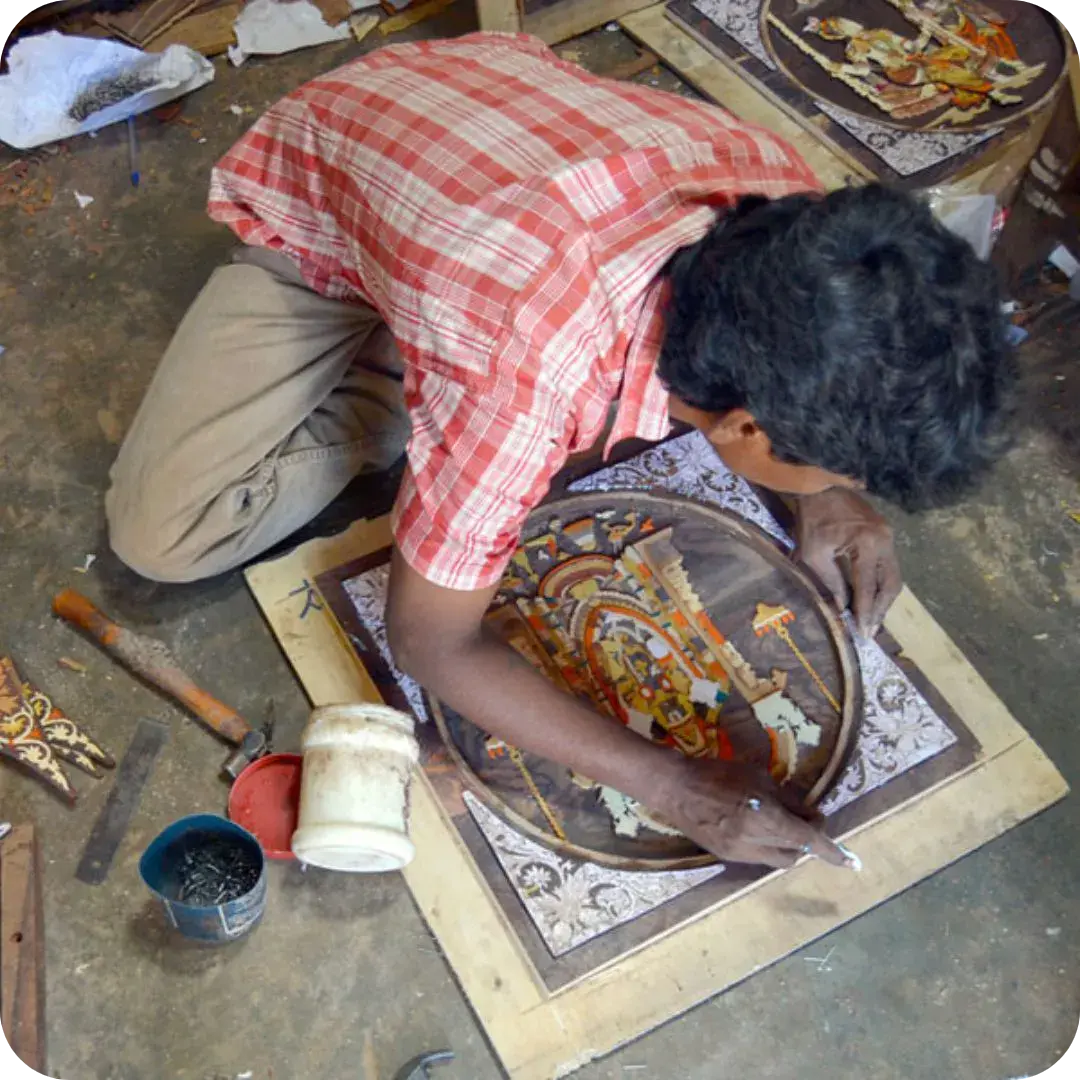
After that, the design cutouts are fitted in the groves, and the surface is beaten with a hammer to ensure the designs stay firm and in place. In case of any gaps, they are filled using a mixture of glue, rosewood, and sawdust.
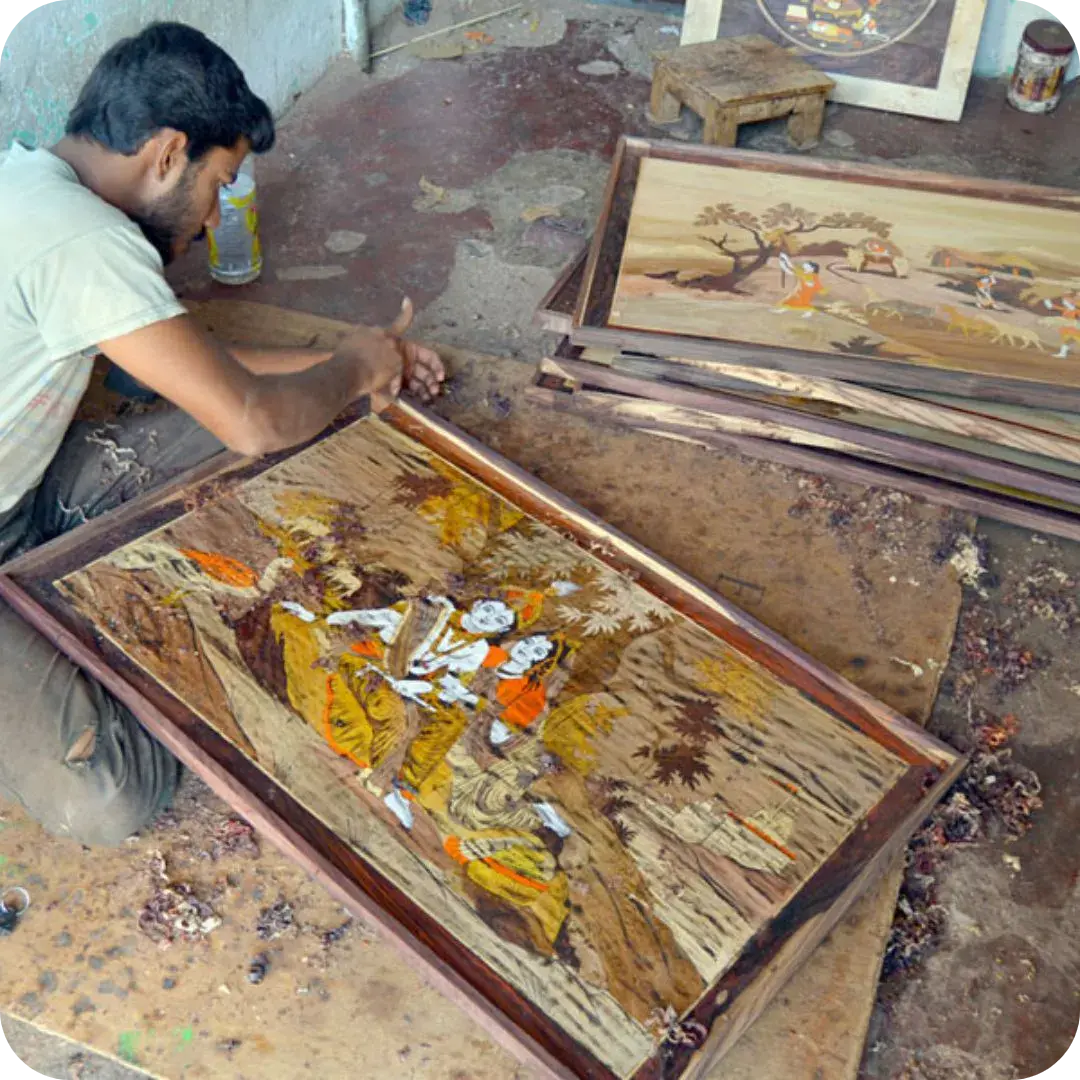
The final step in creating Mysore wood inlay products is cleaning and polishing the items with beeswax. A coating of lacquer is applied to give them a glossy touch.
Products related to this item
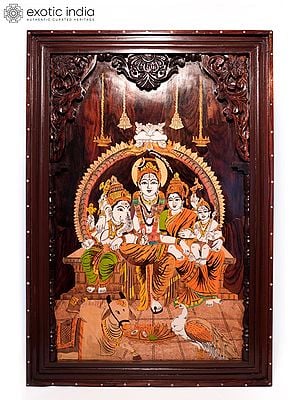
36 inch Height X 25 inch Width X 2 inch Length
$919
Includes any tariffs and taxes
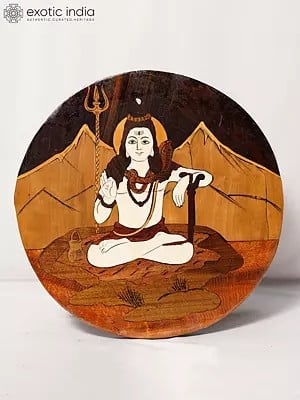
12 Inch Height X 12 Inch Width X 1 Inch Length
$138
Includes any tariffs and taxes

24 Inch Height X 18 Inch Width X 1 Inch Length
$316
Includes any tariffs and taxes

20 Inch Height X 13 Inch Width X 1 Inch Length
$207
Includes any tariffs and taxes

25 Inch Height X 19 Inch Width X 1 Inch Length
$316
Includes any tariffs and taxes

25 Inch Height X 35 Inch Width X 1 Inch Length
$756
Includes any tariffs and taxes
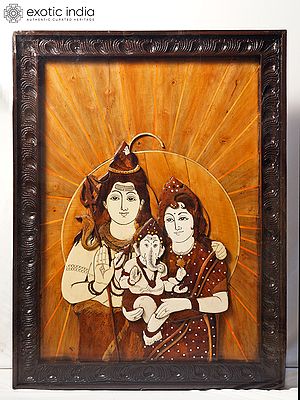
32 Inch Height X 24 Inch Width X 2 Inch Length
$688
Includes any tariffs and taxes
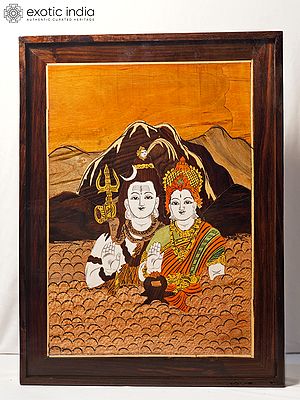
25 Inch Height X 19 Inch Width X 1 Inch Length
$316
Includes any tariffs and taxes
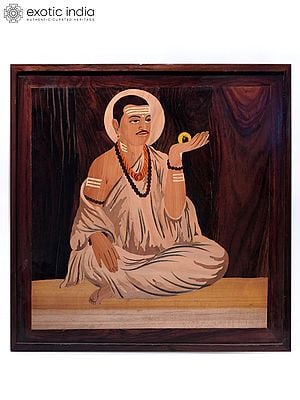
19 inch Height X 19 inch Width X 1 inch Length
$276
Includes any tariffs and taxes
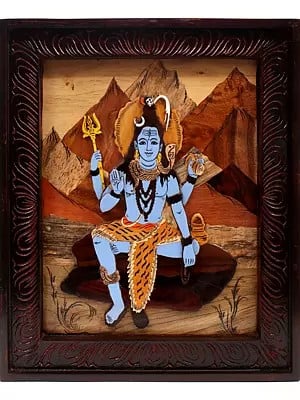
18 inch Height X 15 inch Width X 2 inch Length
$381
Includes any tariffs and taxes
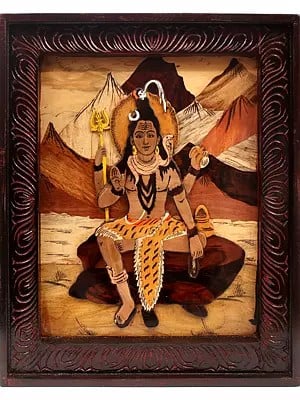
18 inch Height X 15 inch Width X 2 inch Length
$381
Includes any tariffs and taxes
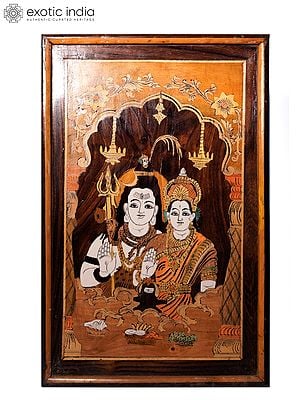
21 inch Height X 13 inch Width X 1 inch Length
$207
Includes any tariffs and taxes