Colors:

Beige
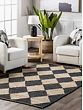
Black
Easy Returns
Return within 7 days of
order delivery.
See T&Cs
Fully Insured
All orders are fully insured
to ensure peace of mind.
100% Handmade
All products are
MADE IN INDIA.
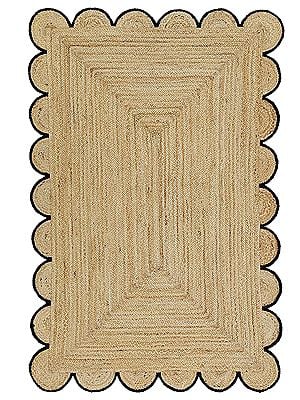
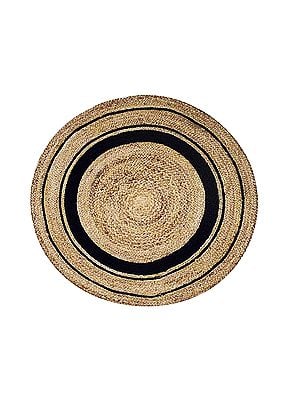
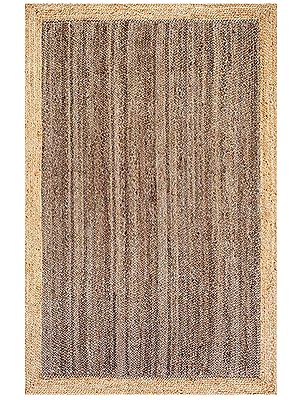
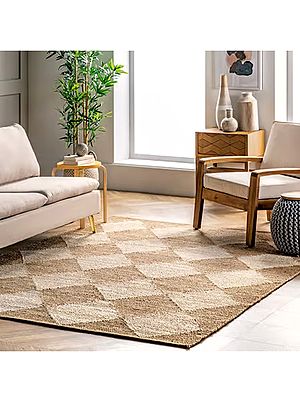
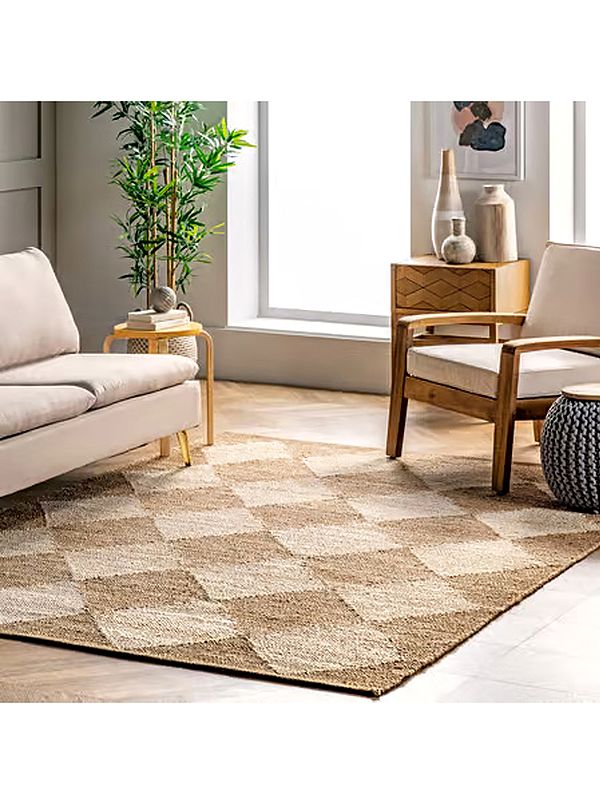
Natural Jute Checkerboard Area Rug - Available in Colors & Sizes
Includes any tariffs and taxes
Color:
Beige
Black
Size:
36x60
48x72
60x96
72x108
96x120
108x144
120x168
Notify me when this item is available
 |
MIY095 |
 |
100% Jute |
 |
Height: 0.00 inch |
|
Width: 36.00 inch |
|
Depth: 60.00 inch |
 |
Weight 3 kg |
| Delivery and Return Policies |
|
Easy Returns
Return within 7 days of
order delivery.
See T&Cs
Fully Insured
All orders are fully insured
to ensure peace of mind.
100% Handmade
All products are
MADE IN INDIA.
Introducing the Natural Jute Checkerboard Area Rug
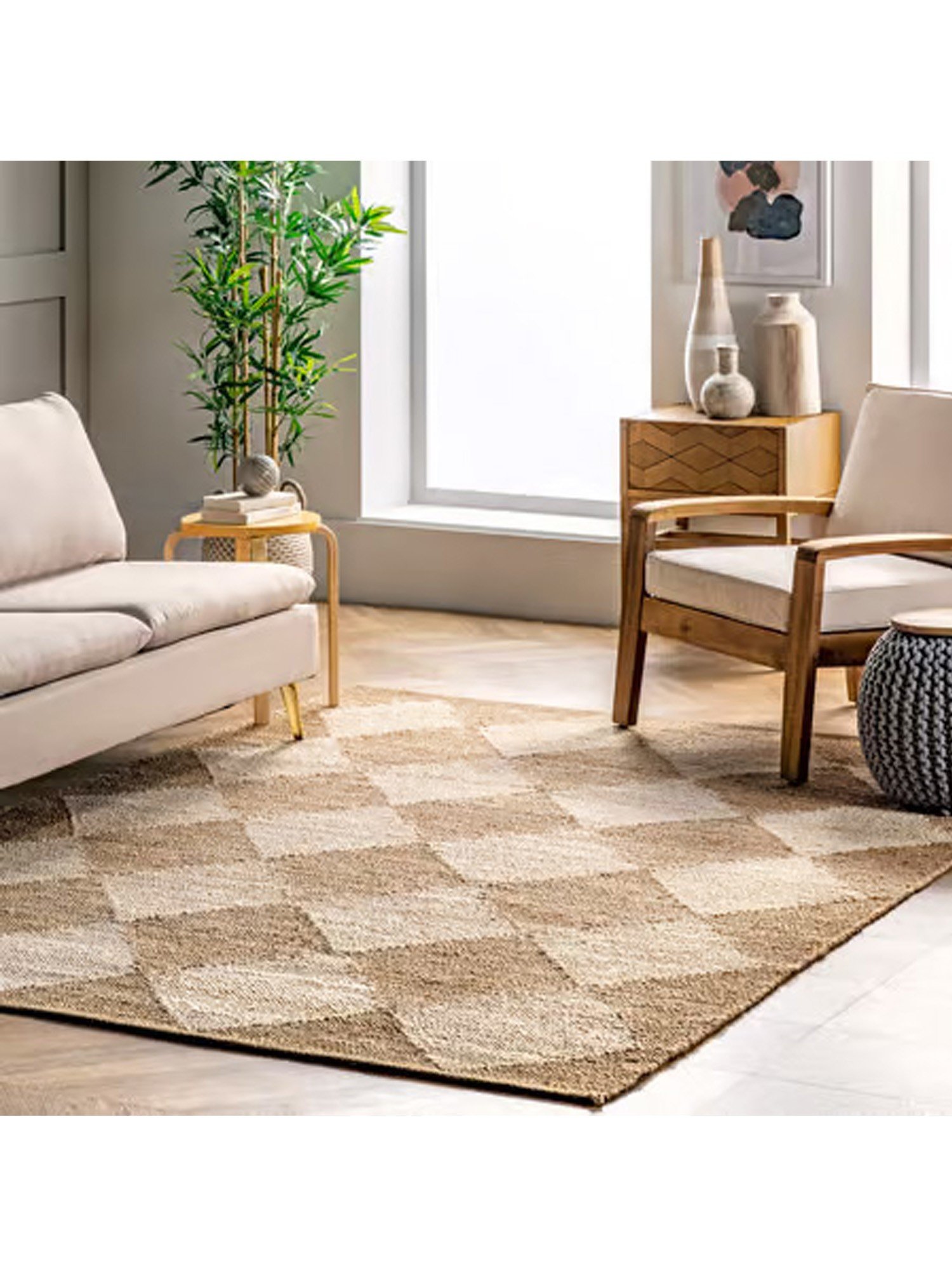
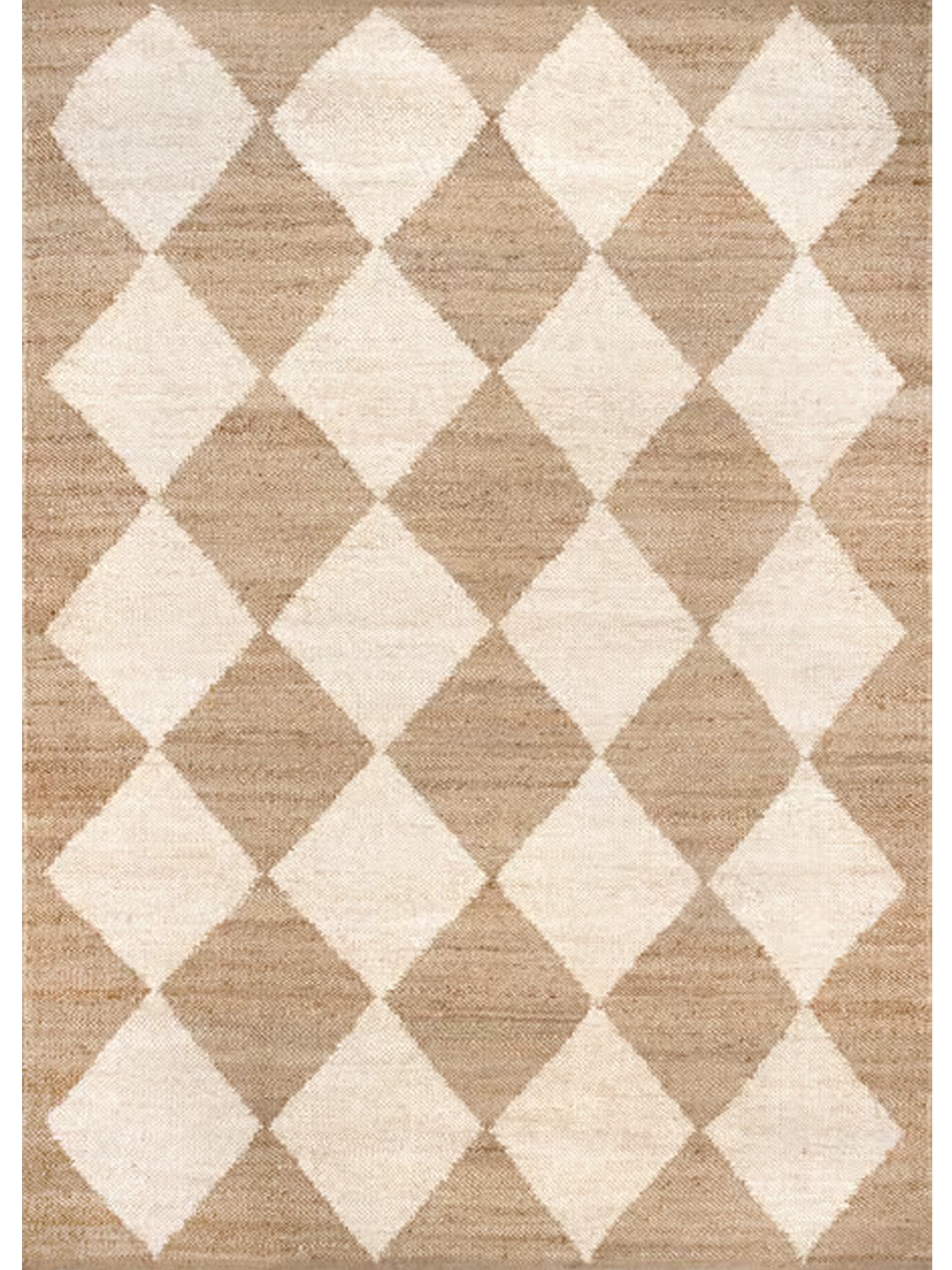
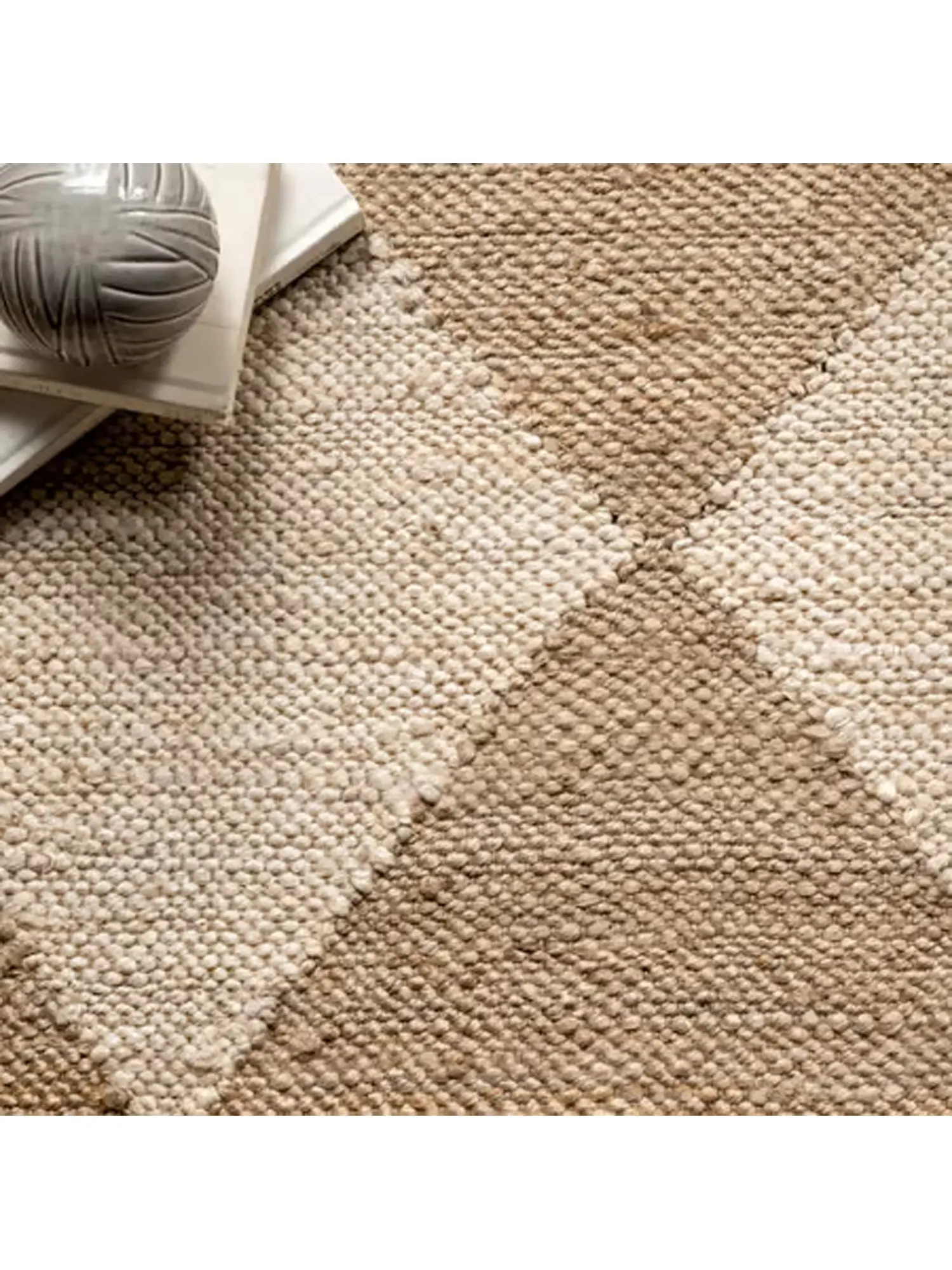
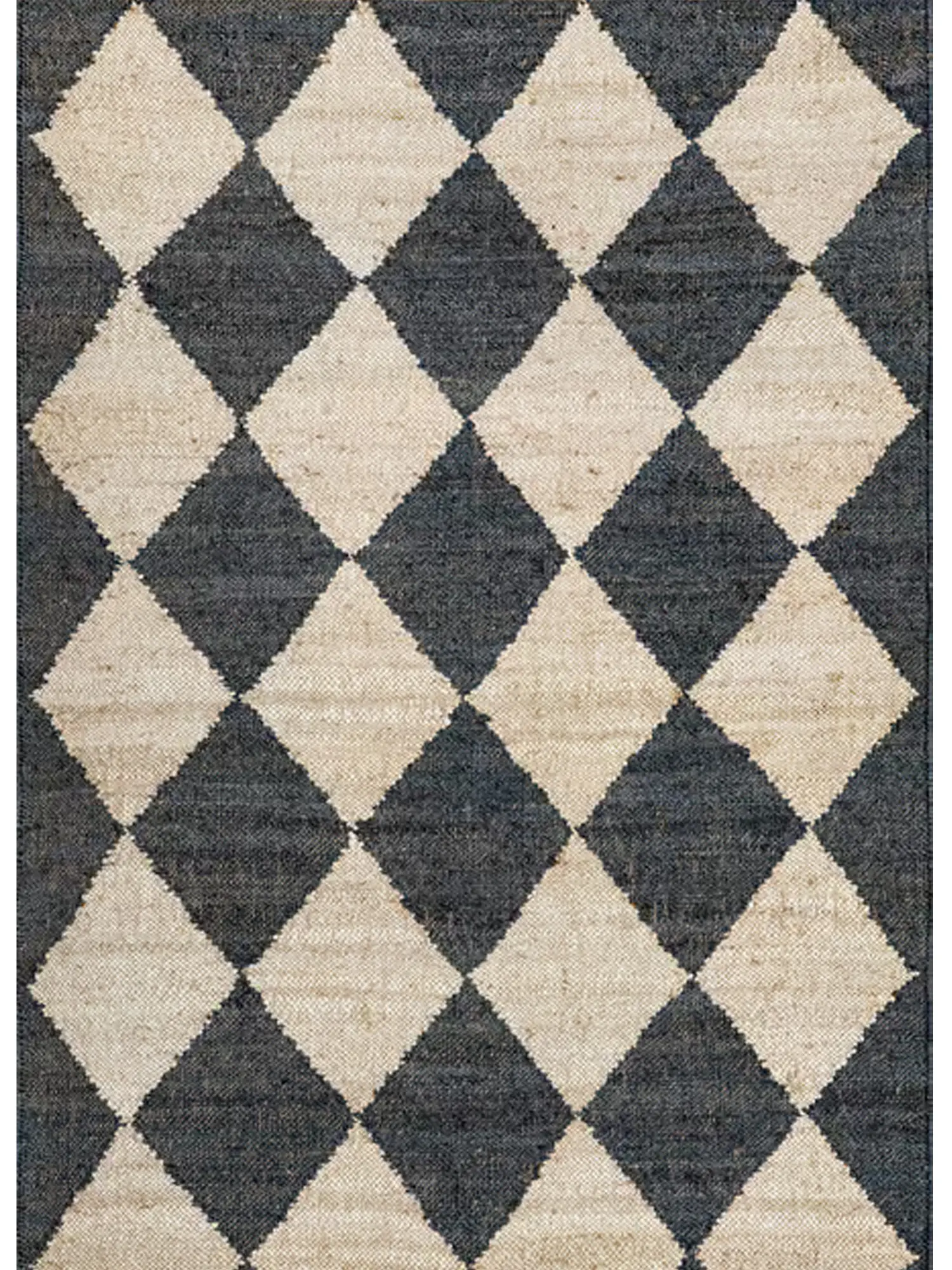
Bring a touch of natural elegance to your living space with our stunning Natural Jute Checkerboard Area Rug. Crafted from 100% jute, this rug offers a sophisticated blend of texture and style, seamlessly blending into any décor. The unique checkerboard pattern adds a subtle yet striking visual interest, making it a perfect focal point for your living room, bedroom, or dining area. The neutral tones of the rug allow it to effortlessly complement existing furniture and color palettes, offering versatile design possibilities. Its durable and naturally sustainable material ensures this rug will be a cherished addition to your home for years to come. Experience the warmth and comfort of natural fibers beneath your feet, while elevating your interior design with this exquisite piece.Exceptional Quality & Craftsmanship
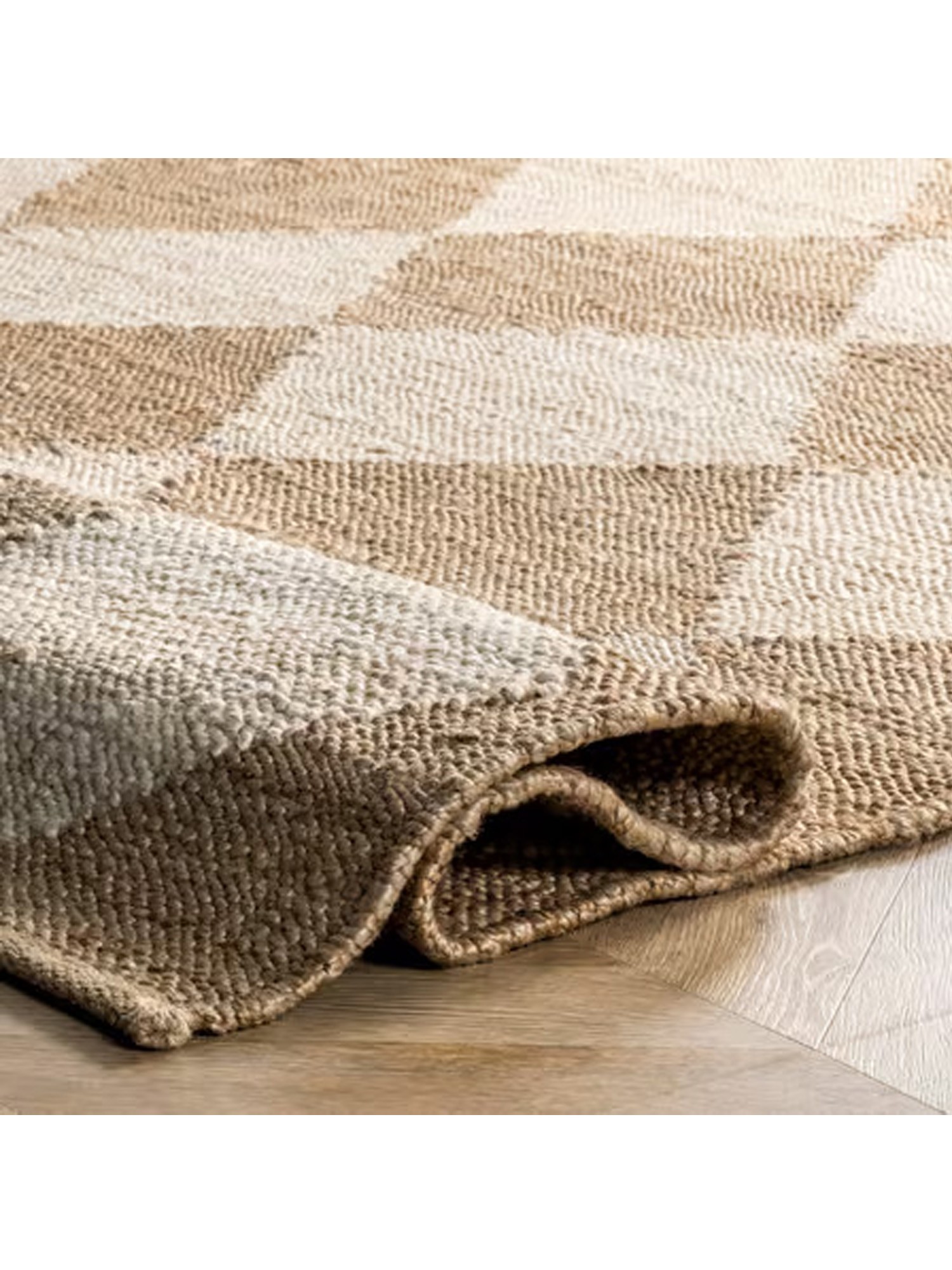
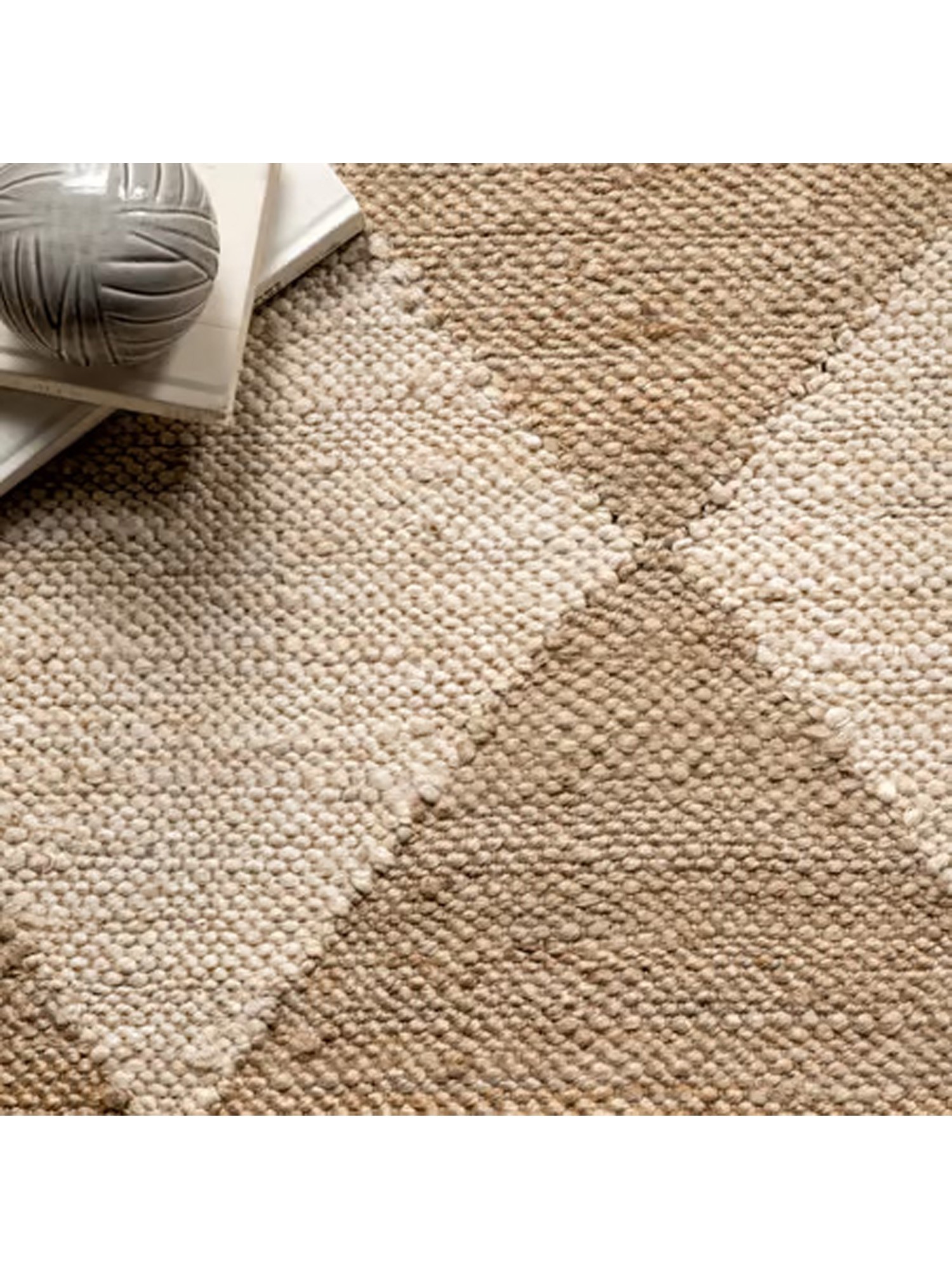
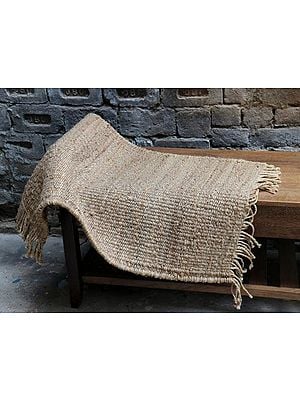
This rug isn't just beautiful; it's built to last. Made from 100% high-quality jute, a naturally strong and durable fiber, this rug is designed to withstand daily wear and tear. Jute is also known for its remarkable resilience and its ability to maintain its shape and color over time, making this rug a worthwhile investment for your home. The meticulous craftsmanship ensures a beautifully finished product that will enhance the look and feel of your space. Feel the difference of a well-made rug that is as pleasing to the touch as it is to the eye. The densely woven fibers provide a comfortable and supportive surface, ideal for both relaxing and entertaining.Versatile Style & Design
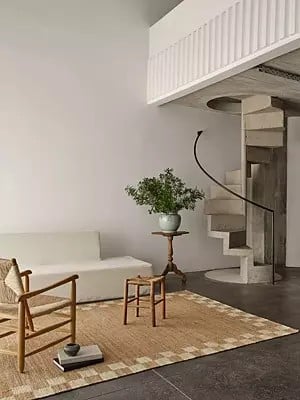
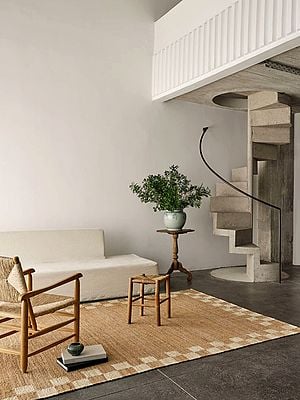
The understated elegance of the checkerboard pattern provides a versatile design that suits numerous décor styles. Whether your aesthetic leans towards minimalist modern, rustic farmhouse, or something else entirely, this rug seamlessly integrates into your existing interior. Its neutral color palette, combining soft beige and natural jute tones, allows it to act as a foundation for your space, allowing other design elements to shine. Place it under your coffee table to create a cozy living room retreat, or use it to define a seating area in your bedroom for a touch of sophisticated comfort. The possibilities are limitless!Easy Care & Maintenance
Maintaining the beauty of your Natural Jute Checkerboard Area Rug is simple. Regular vacuuming will help remove loose dirt and debris, keeping your rug looking its best. For more stubborn stains, spot cleaning with a damp cloth is recommended. Avoid harsh chemicals or excessive moisture, as this could damage the natural fibers. With proper care, your jute rug will remain a beautiful and functional addition to your home for years to come. Its natural resilience and durability make it a low-maintenance, high-reward choice for busy lifestyles.Perfect for Any Room
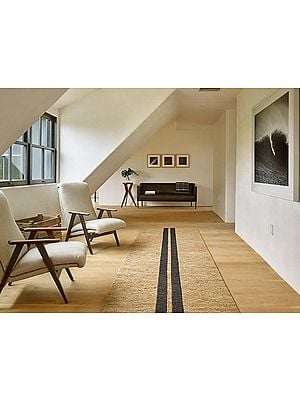
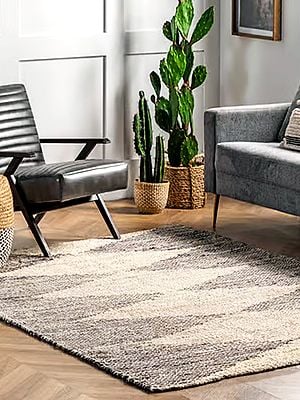
This versatile rug complements various room settings. Imagine it in a sun-drenched living room, creating a warm and welcoming atmosphere. Picture it anchoring a cozy reading nook in your bedroom, adding a touch of rustic charm. Or visualize it in your dining area, providing a comfortable and stylish base for your dining set. Its neutral tone and understated design make it adaptable to almost any setting, allowing you to personalize it to fit your specific style and needs. The area rug's dimensions, 36 inches wide by 60 inches deep, are ideal for a variety of spaces without overpowering the room.
From Fiber to Finery: Unveiling the Craftsmanship Behind Handmade Rug Creation
A carpet serves as a textile floor covering and can be seen in
almost all Asian homes. European nations also are fascinated by their beauty and thus hand-knotted carpets are in great demand all
over the world. A carpet typically consists of an upper layer of
fabric and backing attached to it. Carpets can be made in any
color by using dyed fibers. Different types of motifs and patterns
are fabricated or embroidered on the fabric to beautify the floor.
Indian craftsmen make carpets in such a way that every piece bears
designs with attention to detail. Bright colors and high-quality
fabric are used for their production.
Hand-knotted carpets are made using different types of techniques
such as the Turkish knot (symmetrical), Persian knot
(asymmetrical), Jufti Knot (tied around four warps instead of
two), or Spanish knot (solo warp symmetrical). Common materials
used in the making of the finest carpets are cotton, silk, wool,
and jute.
1. Wool collection and processing
This is the step in the carpet-making process in which the best
quality raw wool is imported or bought from the market. It is then
cleaned and any unwanted particles are removed by washing it
thoroughly. Now the clean wool is dried in the sun for two to
three days.
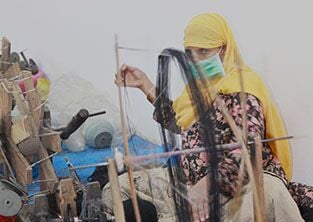
2. Woolen yarn spinning
Spinning involves a process called carding which is either done
on carding rollers run by hand or with the help of a carding
brush. This wool is now spun into yarn by spinning it on a
spinning wheel, also called a charkha. The thickness of the yarn
depends on the type and quality of the carpet to be made.
3. Dyeing yarn
After the yarn is obtained, it is then dyed into different colors
as per the requirement. The dyed yarn is now allowed to be
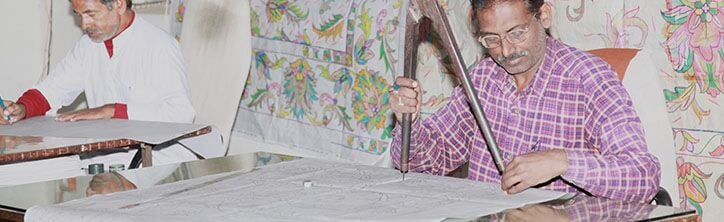
sun-dried for at least two days.4. Designing
Designing a carpet is time-consuming and the most important
step. The size, designs/patterns, and colors of the carpet
contribute to the overall look of the carpet. The artisan first
draws the design on paper and then copies it on graph paper.
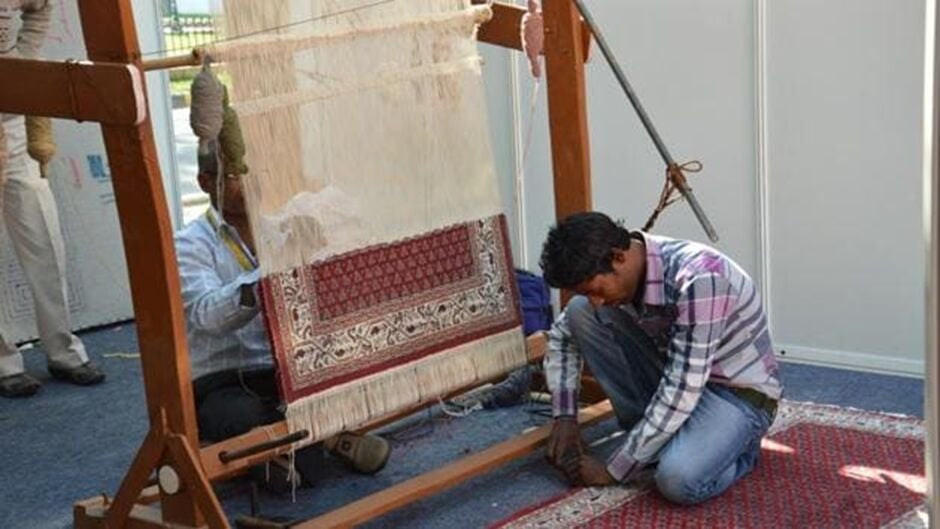
5. Weaving (Hand-knotting)
Weaving involves two important parts; weft (dyed yarn) and warp
(reeled yarn). The warp yarn is loaded to the vertical loom and
the graph paper containing the carpet sample design is put in
front of the weaver. Each weft yarn is knotted to each warp yarn
by hand. In this way, the whole carpet is weaved and the desired
pattern is obtained.
6. Washing
The carpet is now sent for washing multiple times with water and
cleansing agents to remove dust and dirt from it.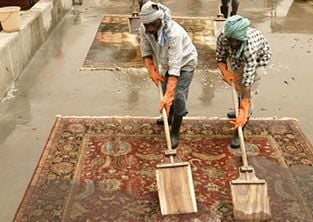
7. Clipping and Binding
Now any protruding knots and extra threads are cut off using
scissors and clippers. Now the craftsmen ensure that all four
sides of the carpet and weaves are locked by stitches so that
the carpet remains intact and strong.
8. Final washing and drying
The carpet is again washed and dried for the last time to make it
appear absolutely neat and clean, ready to be put for sale.
Handmade carpets are often more expensive than those made by
machines. It takes a minimum of six months to complete one carpet
and this elaborate process involves around 20 - 25 artisans
working at the same time.




















 Upload an Image